

Alaskan Bush Planes

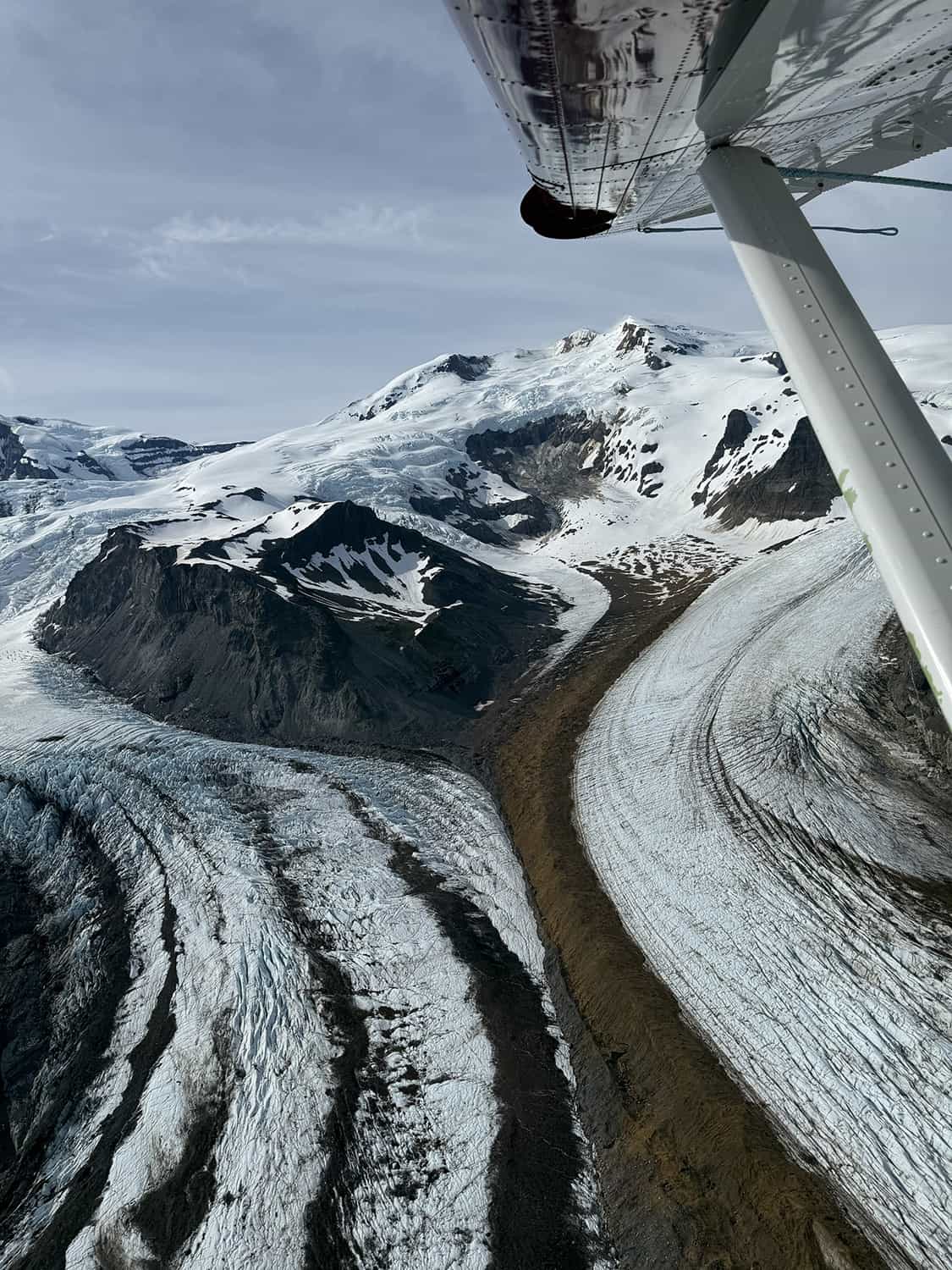
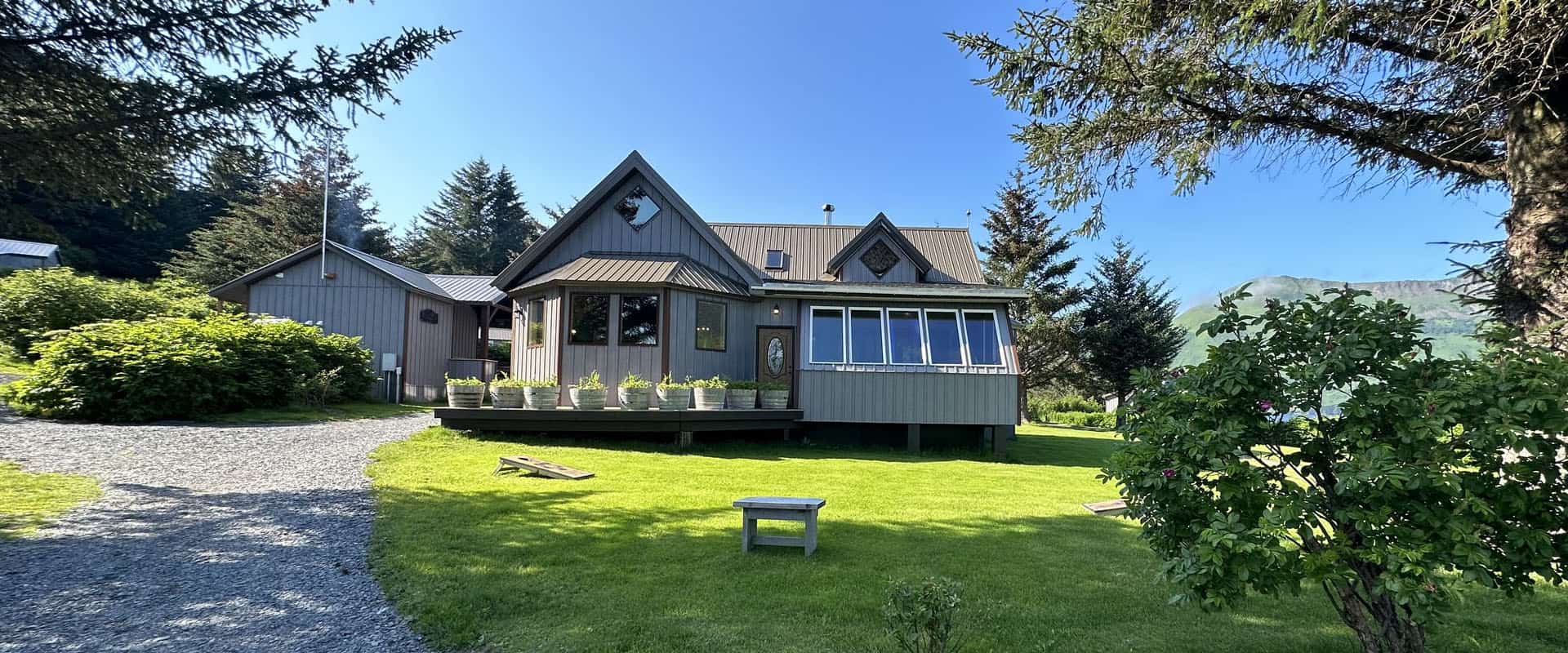
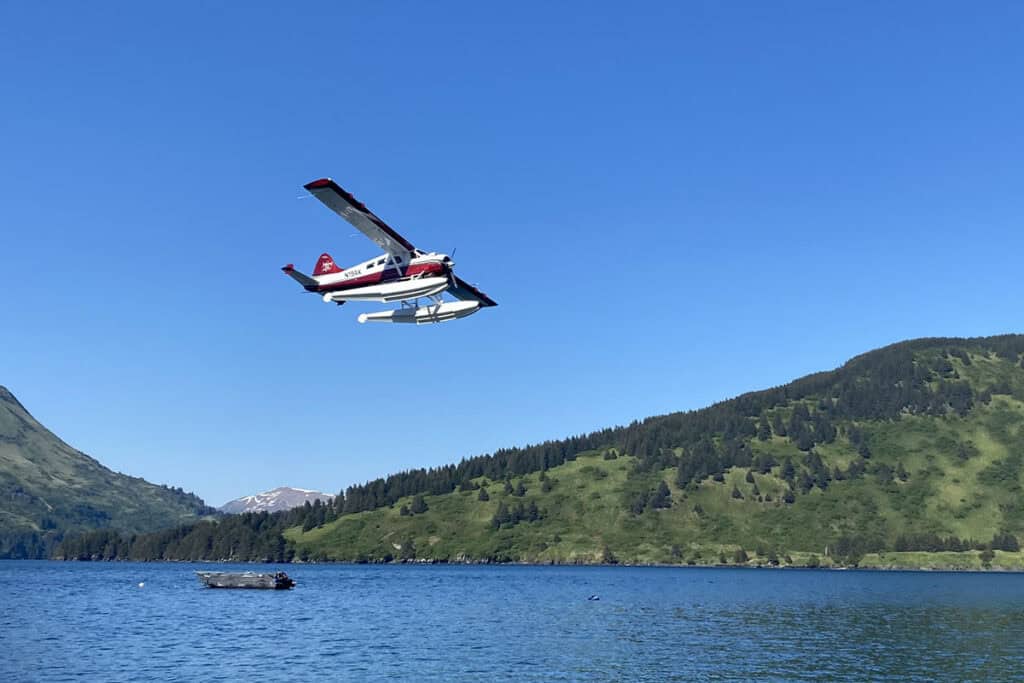
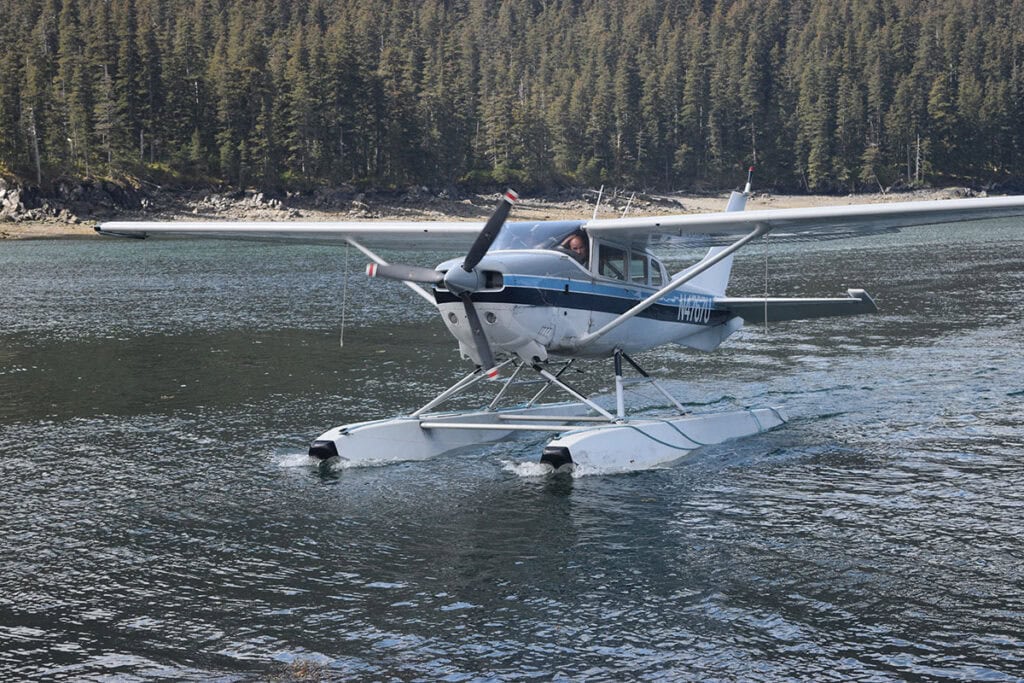
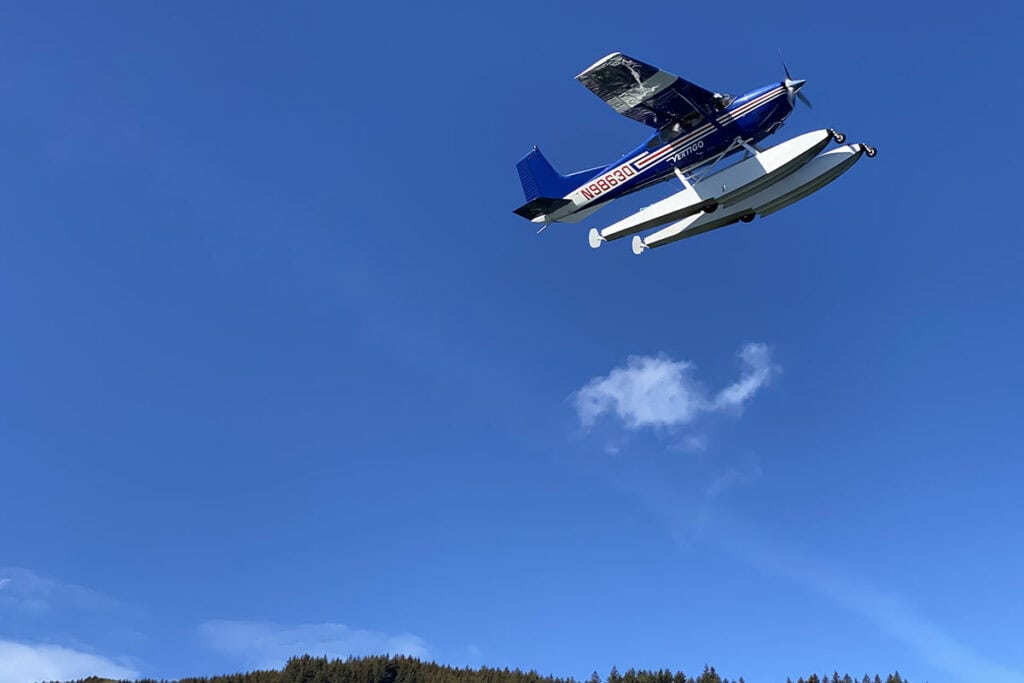
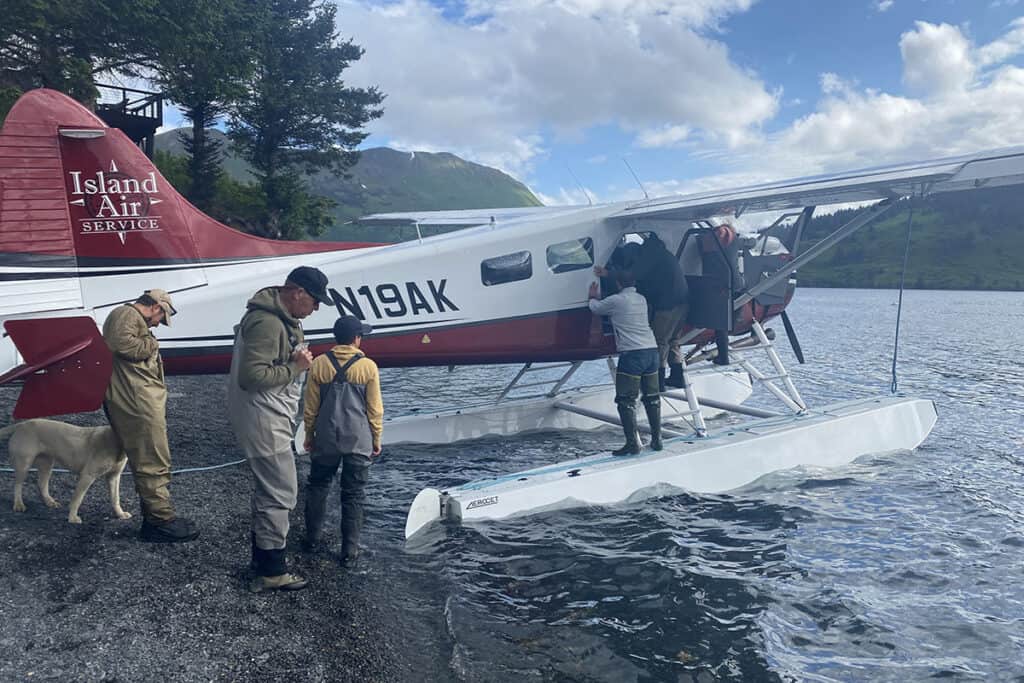
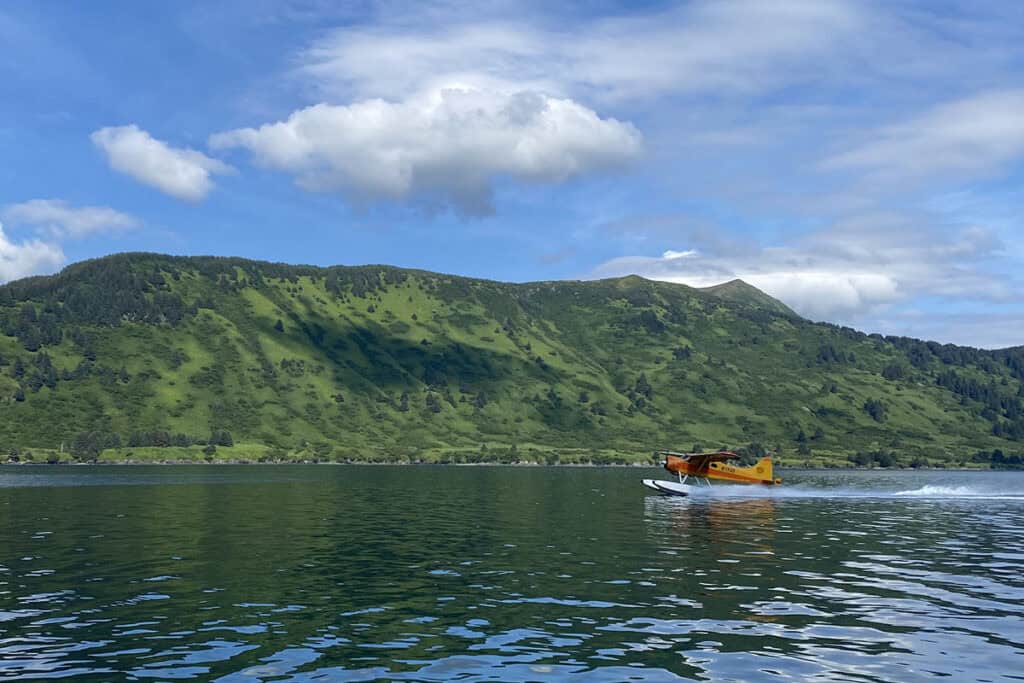
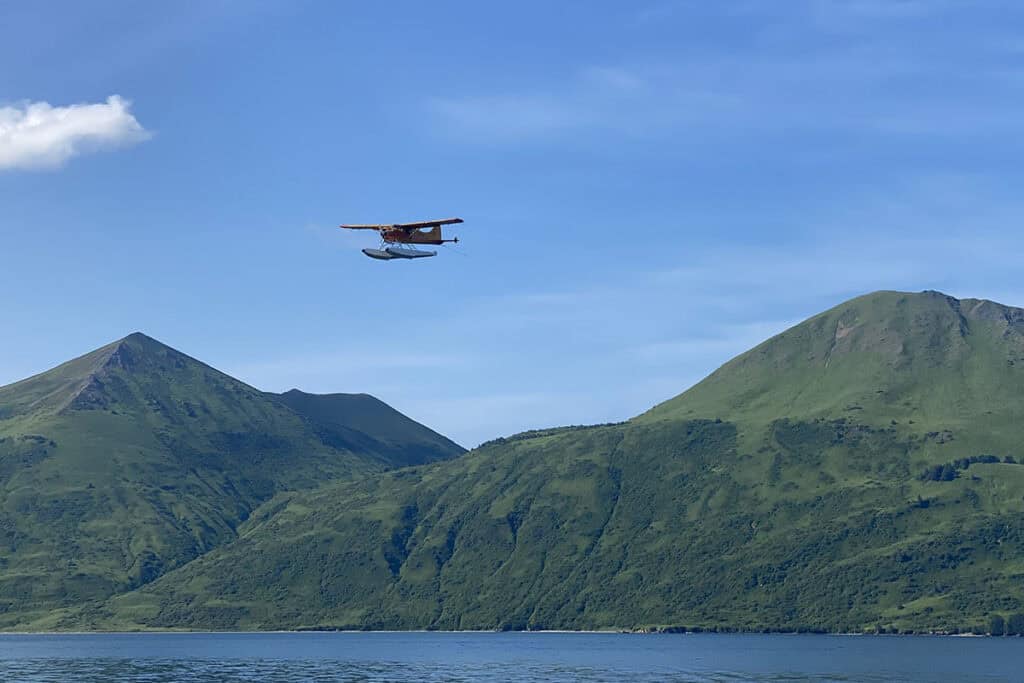
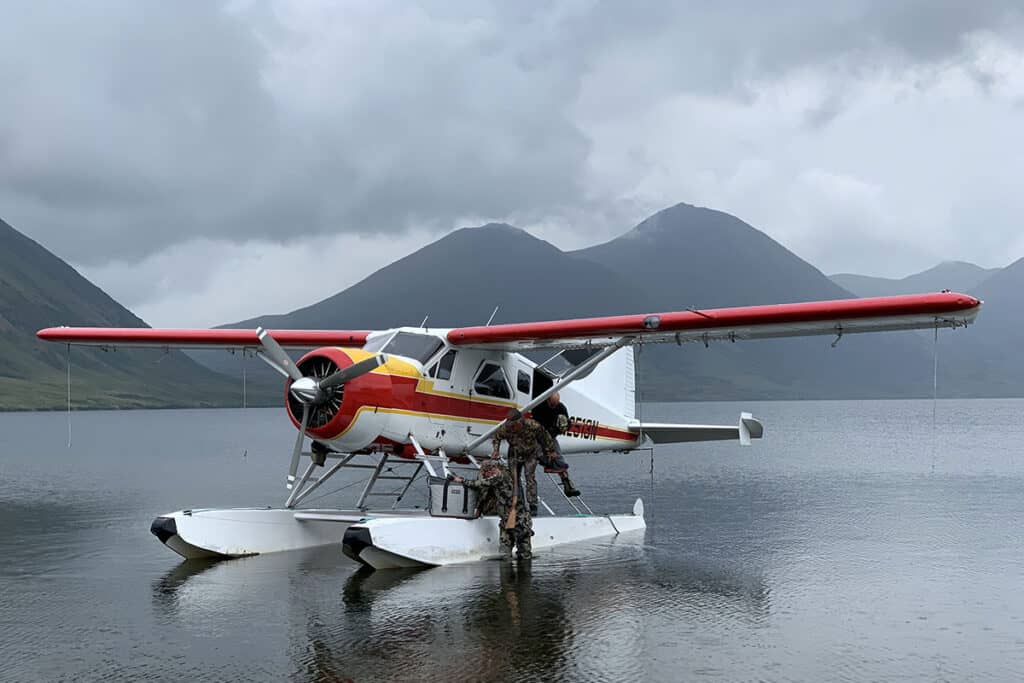
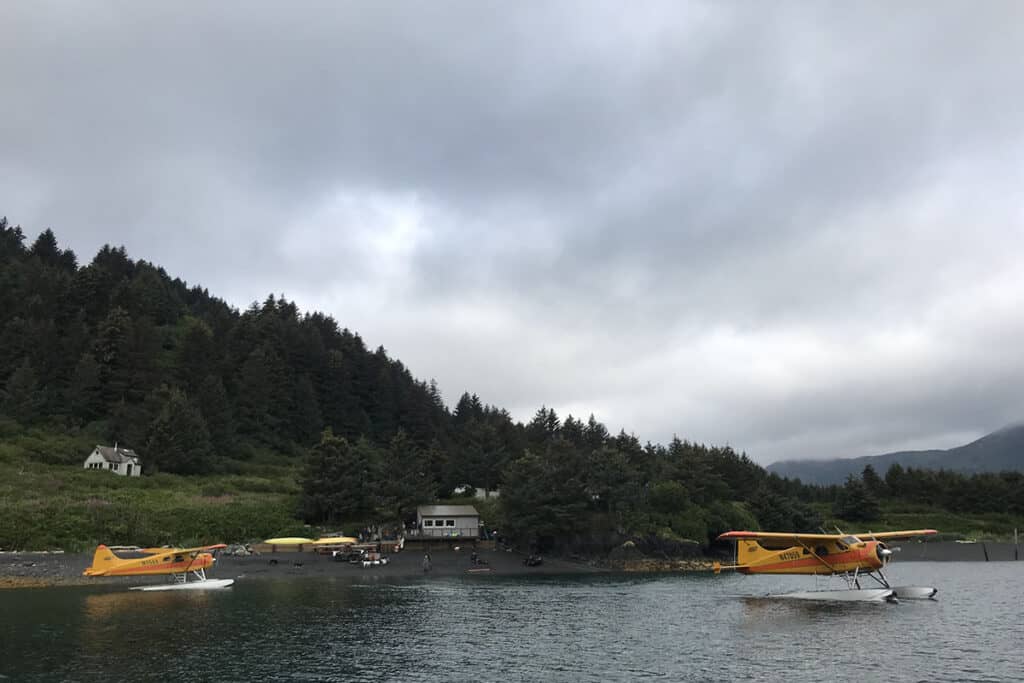
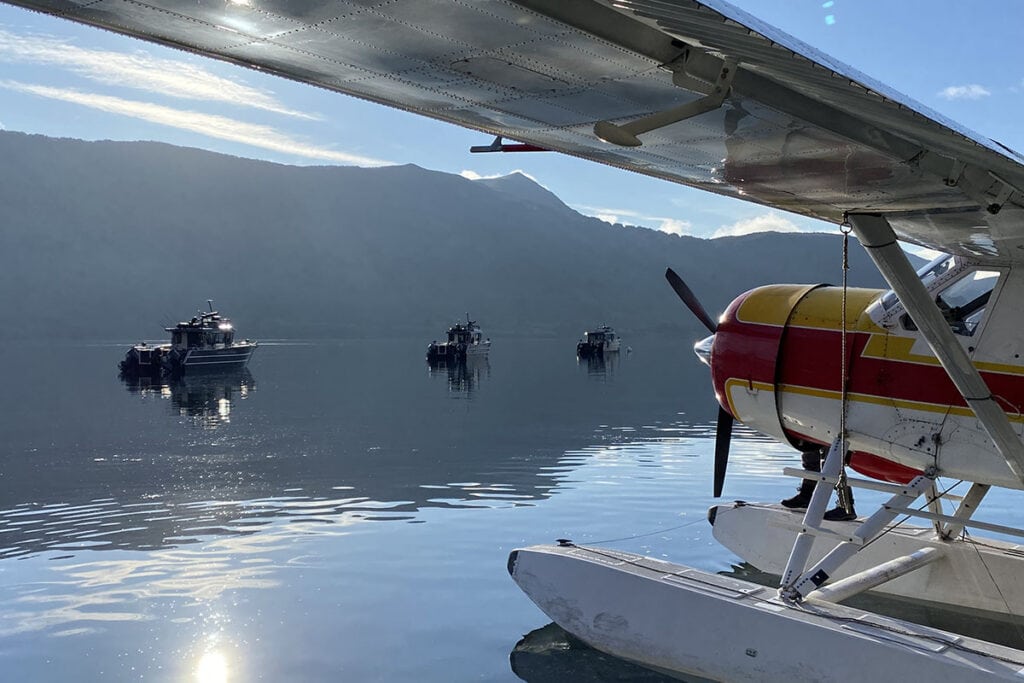
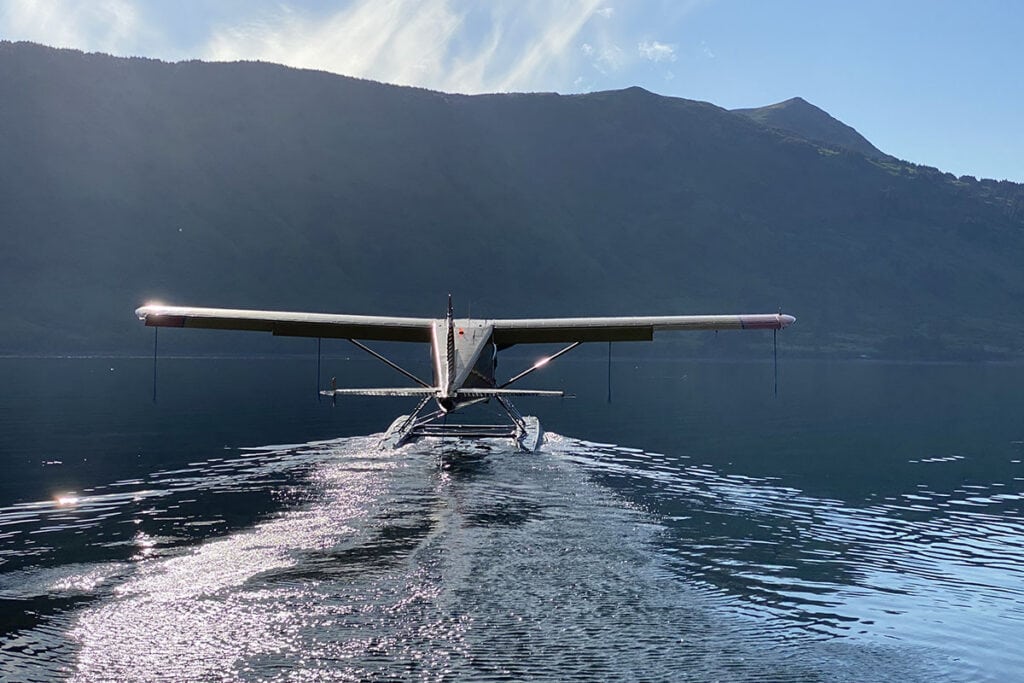
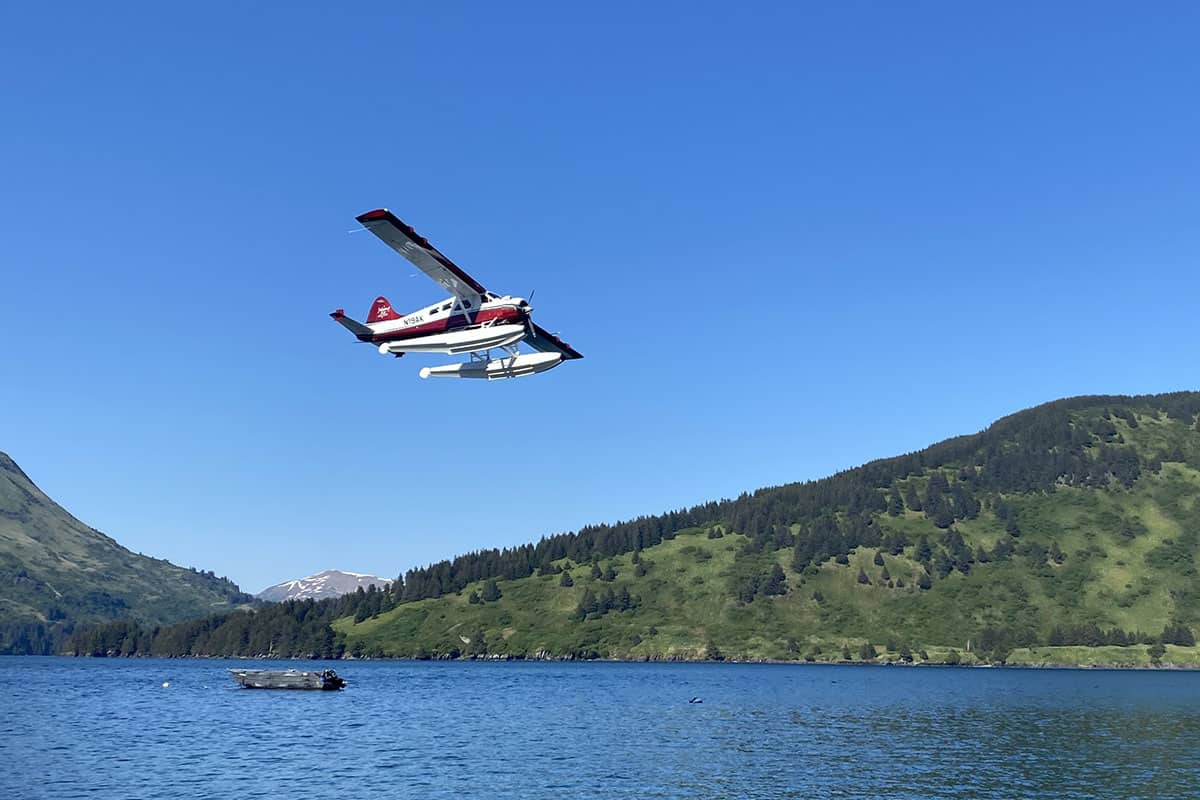
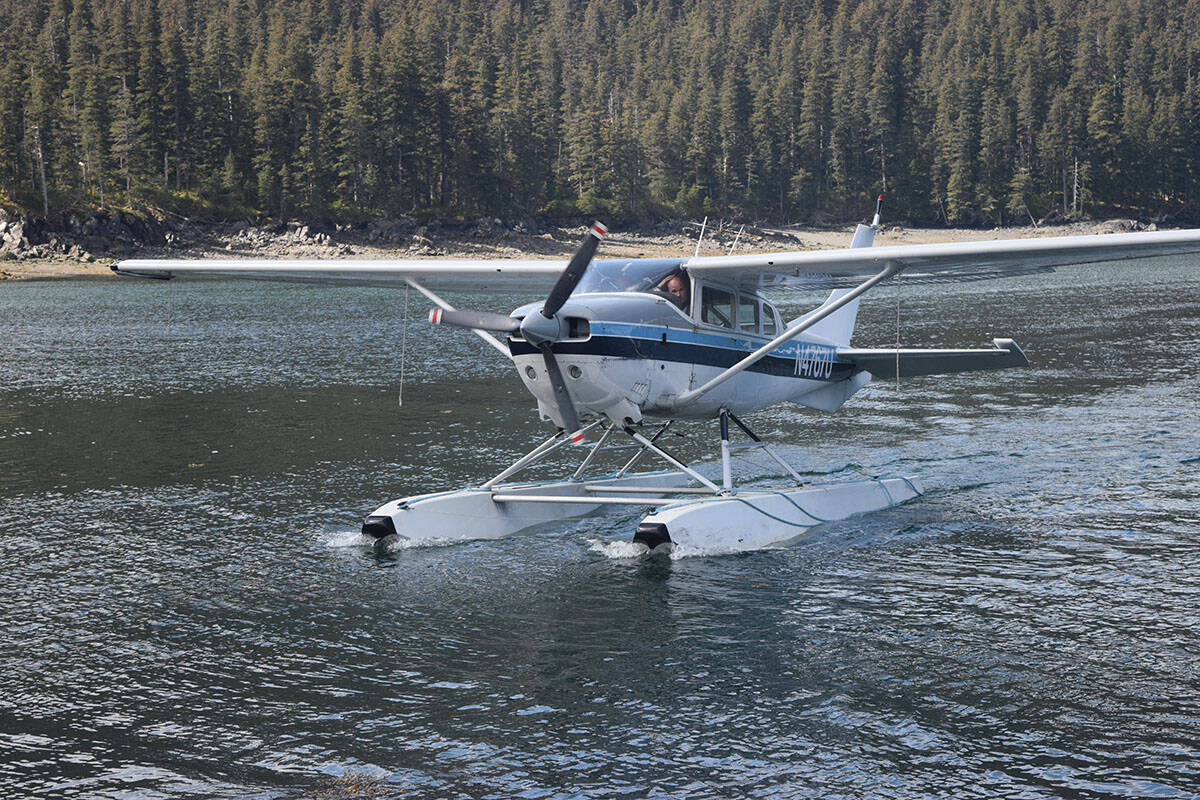
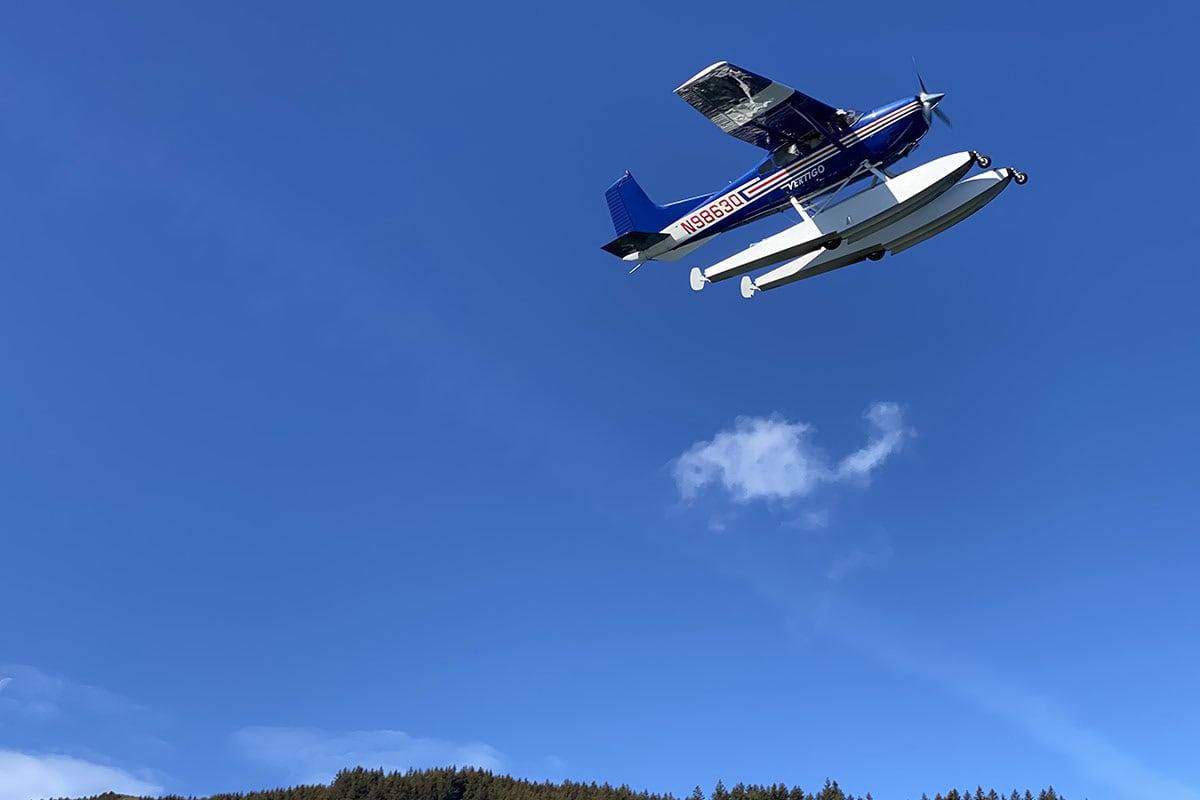
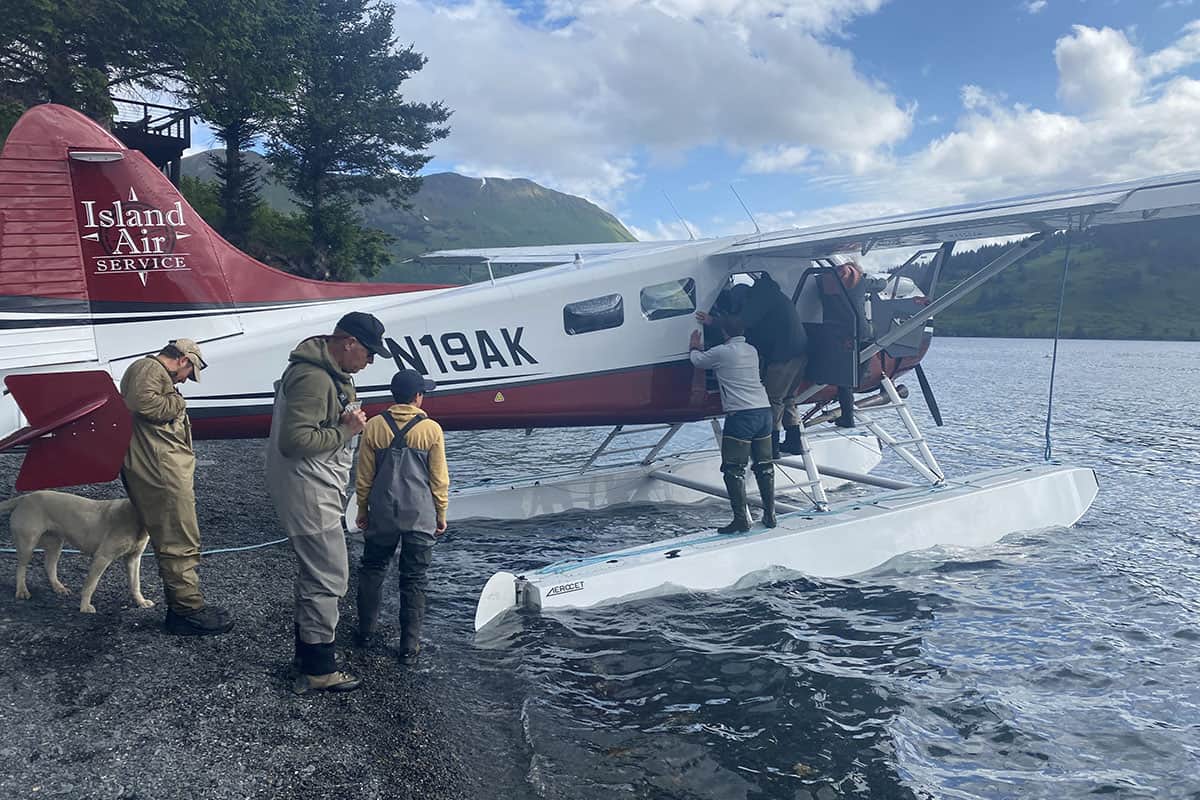
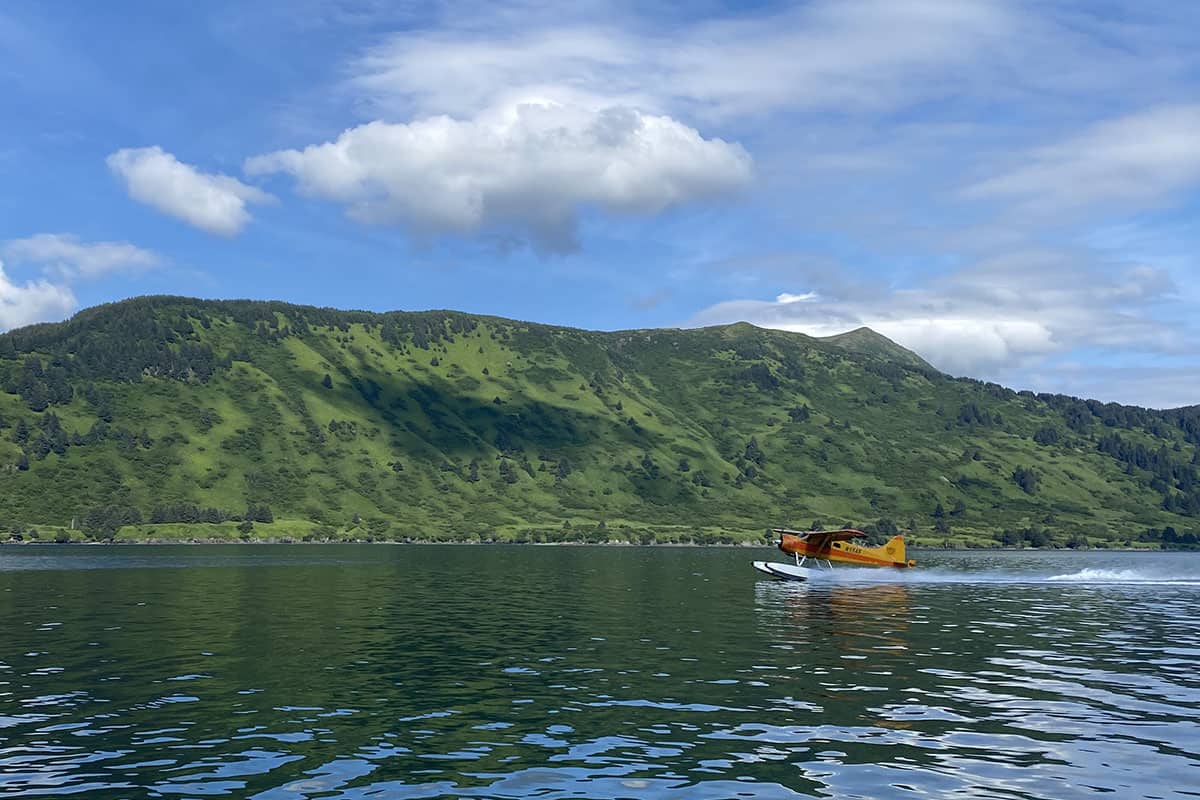
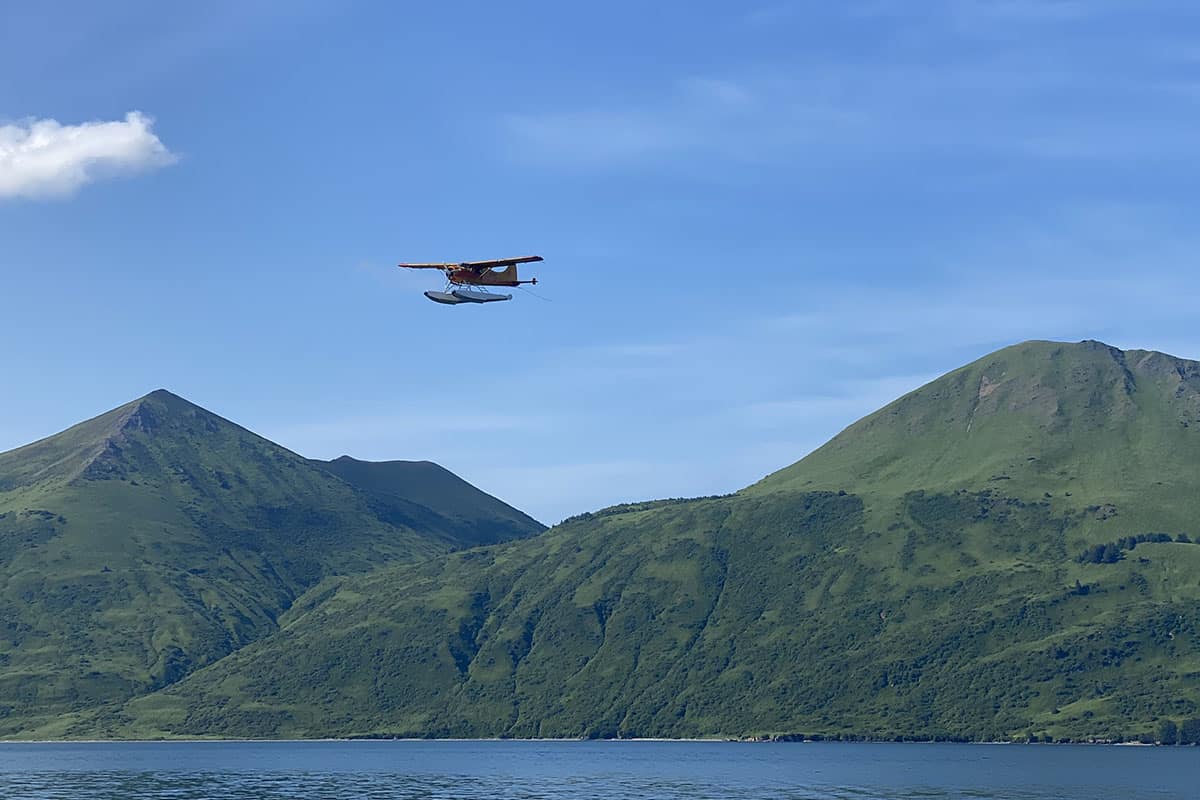
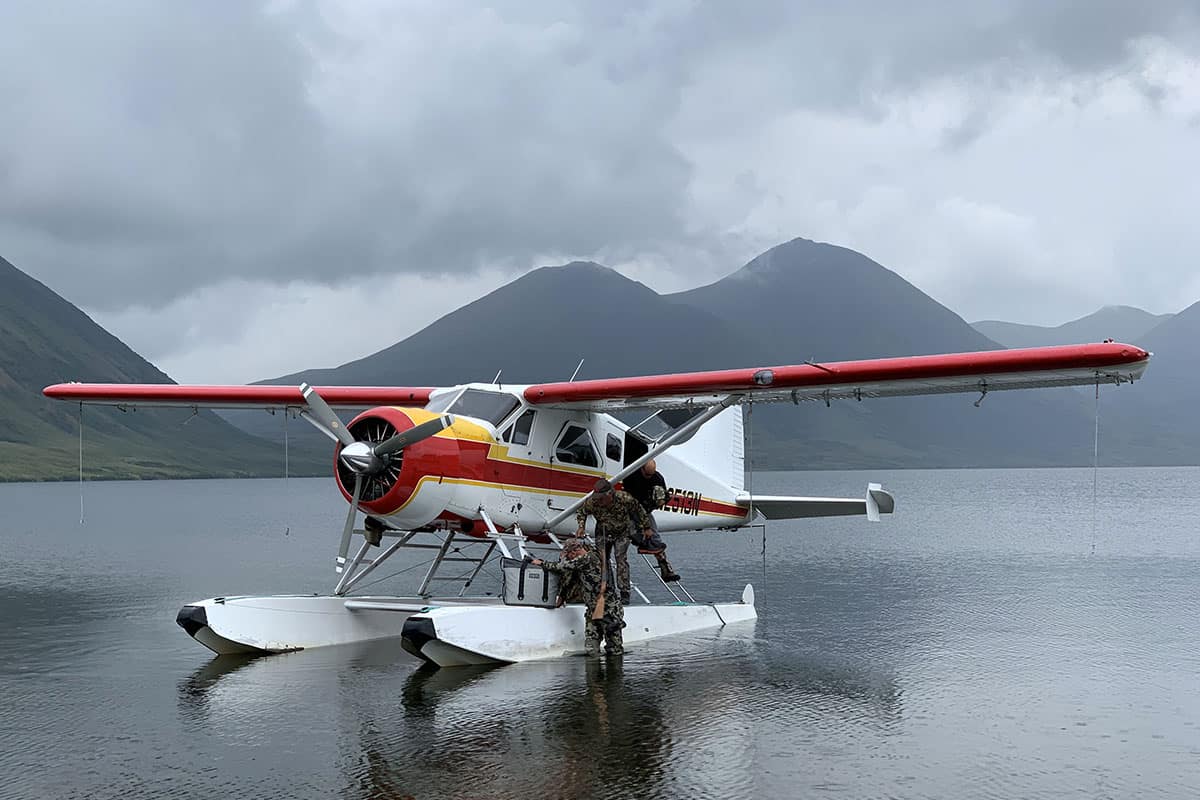
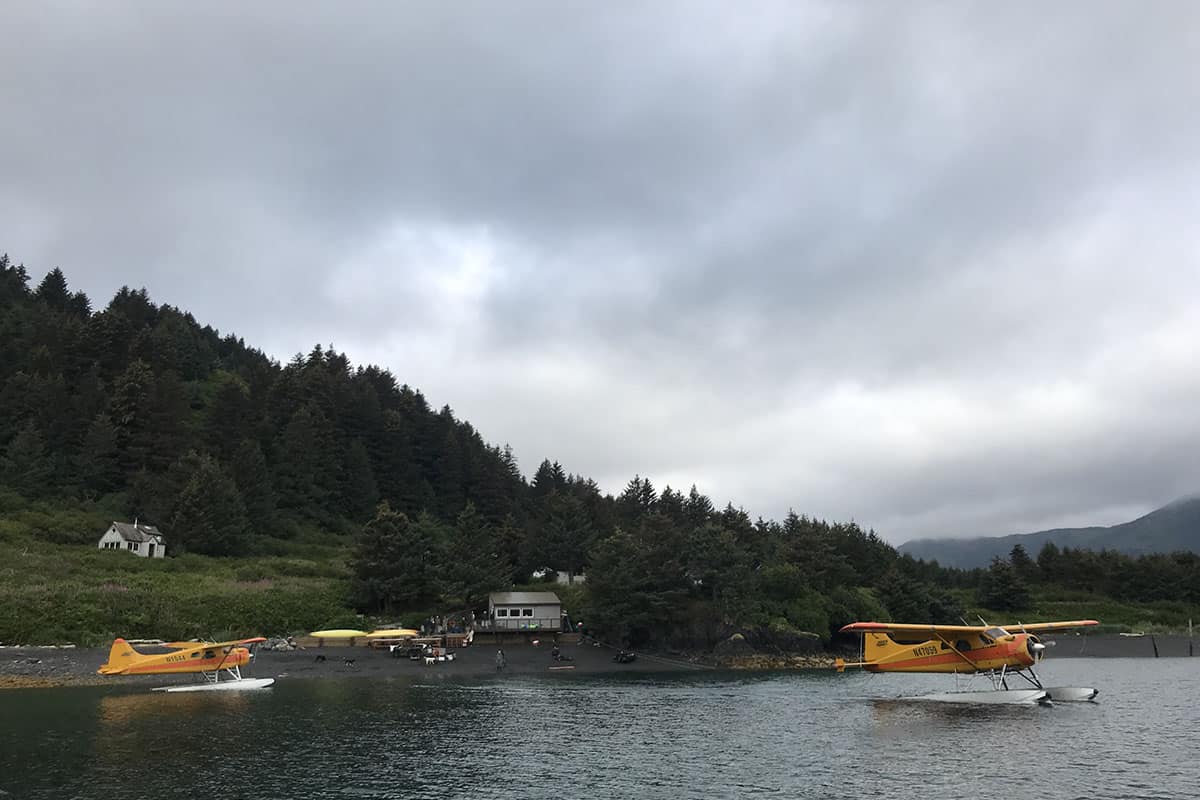
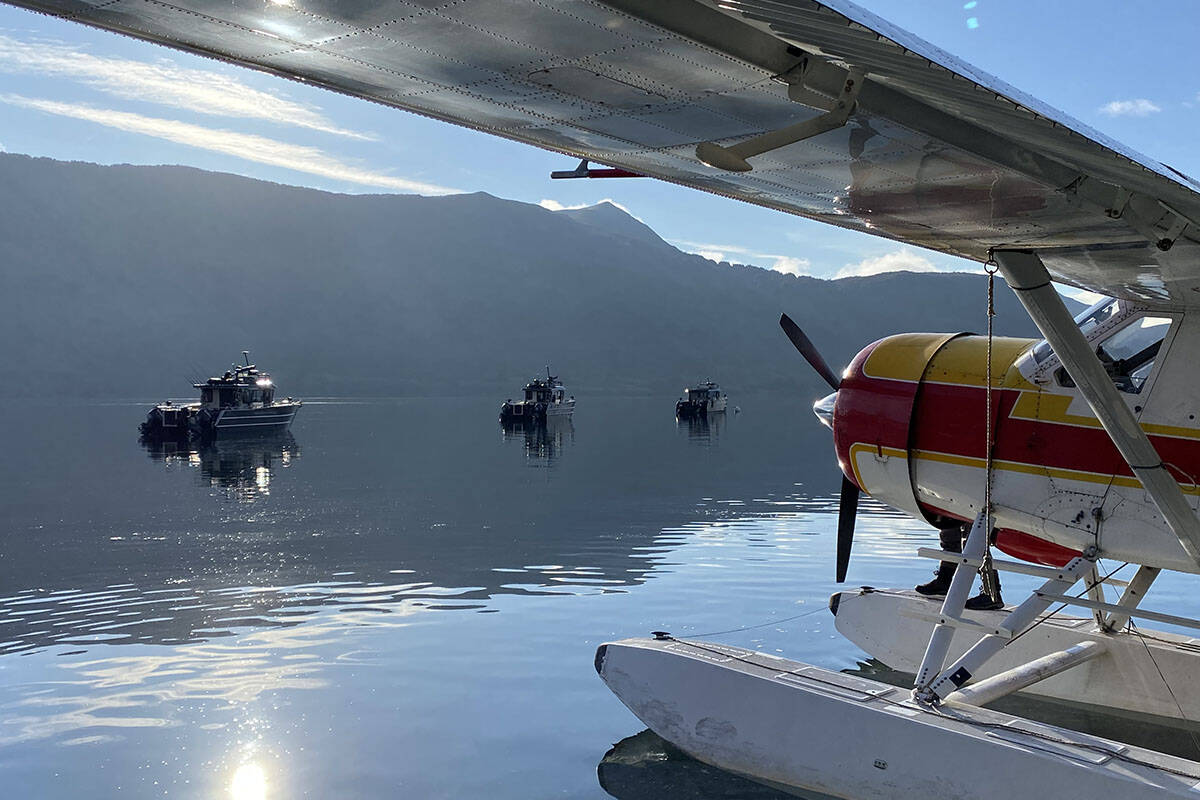
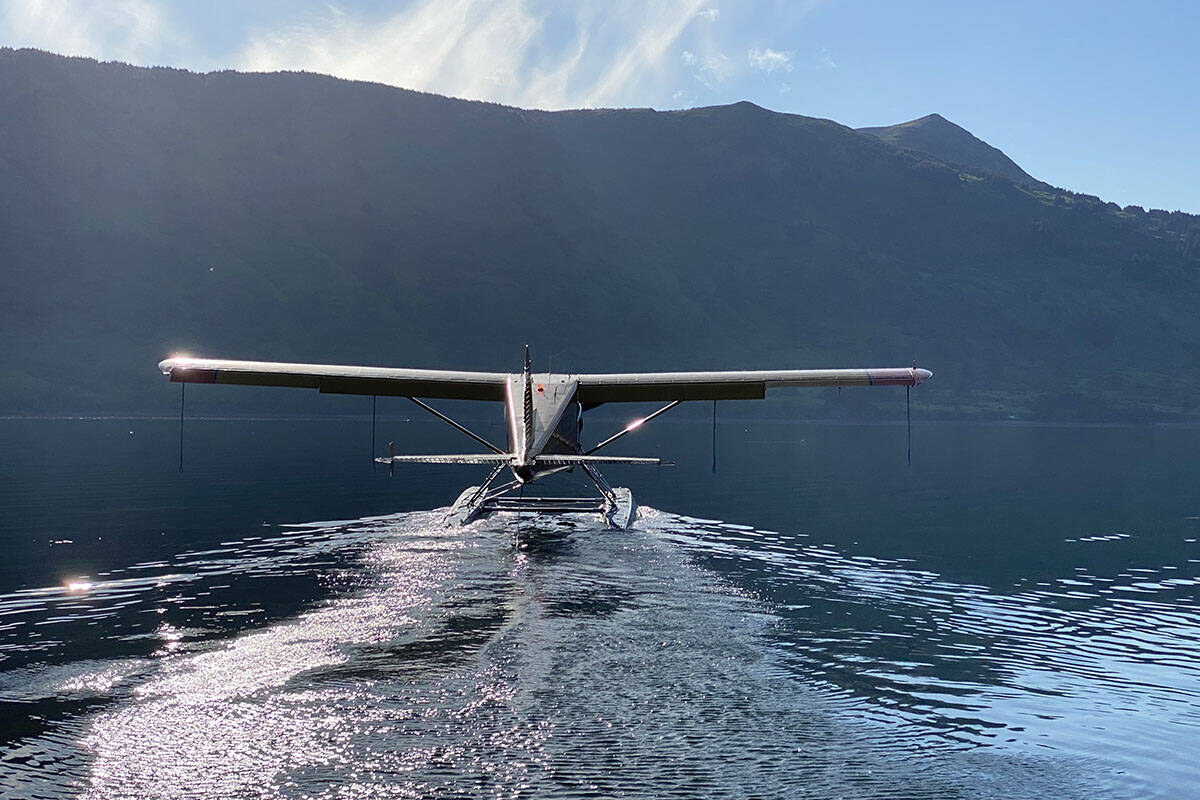
form the foundation of our fly-out bear viewing experiences—most commonly the De Havilland Beaver or float-equipped Cessna, purpose-built for remote coastal operations. In landscapes without roads, runways, or infrastructure, they operate within systems defined by tide, wind, and water, linking Kodiak Raspberry Island Remote Lodge to remote terrain where coastal brown bears live and move freely.
These aircraft are designed for both reliability and adaptability in maritime conditions. The Beaver typically carries up to six passengers, while most float-equipped Cessna aircraft carry three to five, depending on configuration and conditions. Payload is balanced carefully between passengers and gear, with cargo compartments and float storage used to distribute weight for safe takeoff and landing on water.
Passenger seating is close and intentional. Guests sit directly behind and alongside the pilot, with large windows on both sides of the aircraft providing continuous visibility. Headsets allow for clear communication, while the relatively low cruising altitude keeps the landscape—coastline, rivers, and tidal flats—fully visible throughout the flight.
Maintenance and safety are central to every operation. These aircraft are maintained to strict FAA standards with regular inspections, and are flown by experienced commercial pilots who specialize in backcountry and maritime flying. Their expertise includes local weather patterns, coastal wind behavior, tide cycles, and remote landings. Decisions are made conservatively and deliberately, with safety guiding every aspect of the experience.
The result is a controlled, highly capable system—flying in one is truly unforgettable.
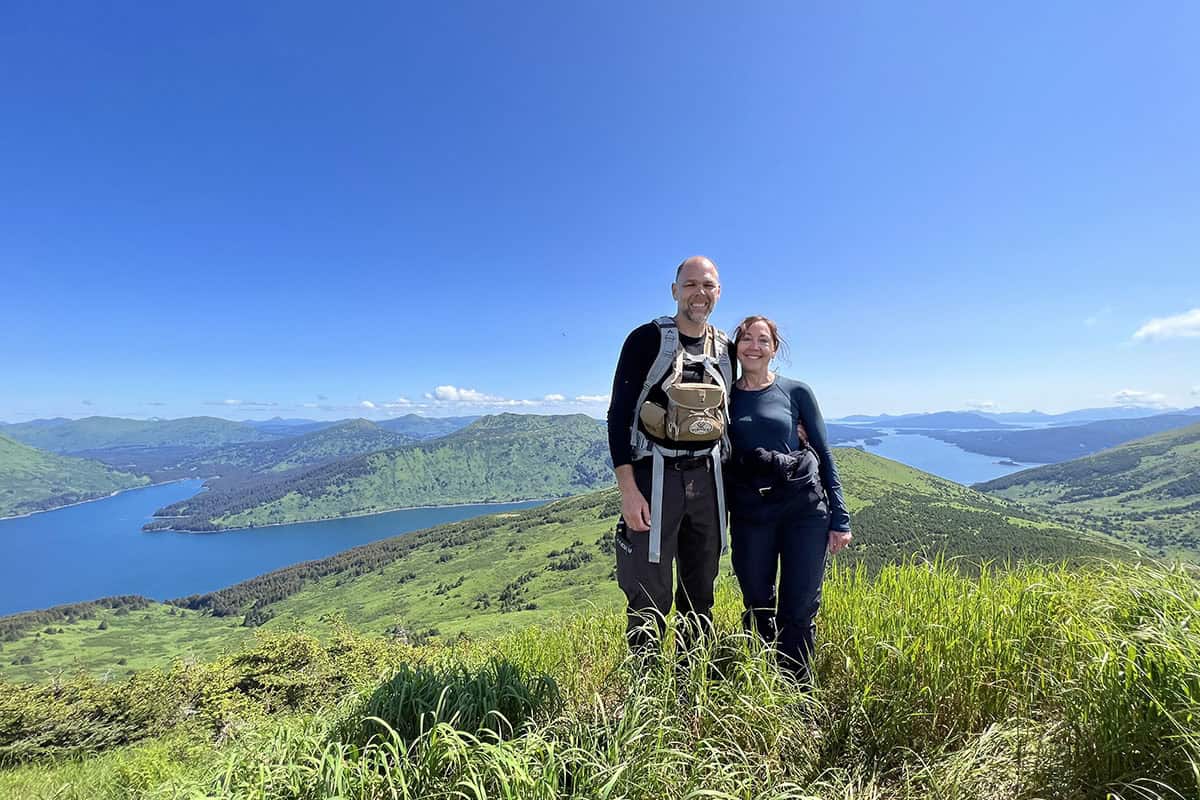
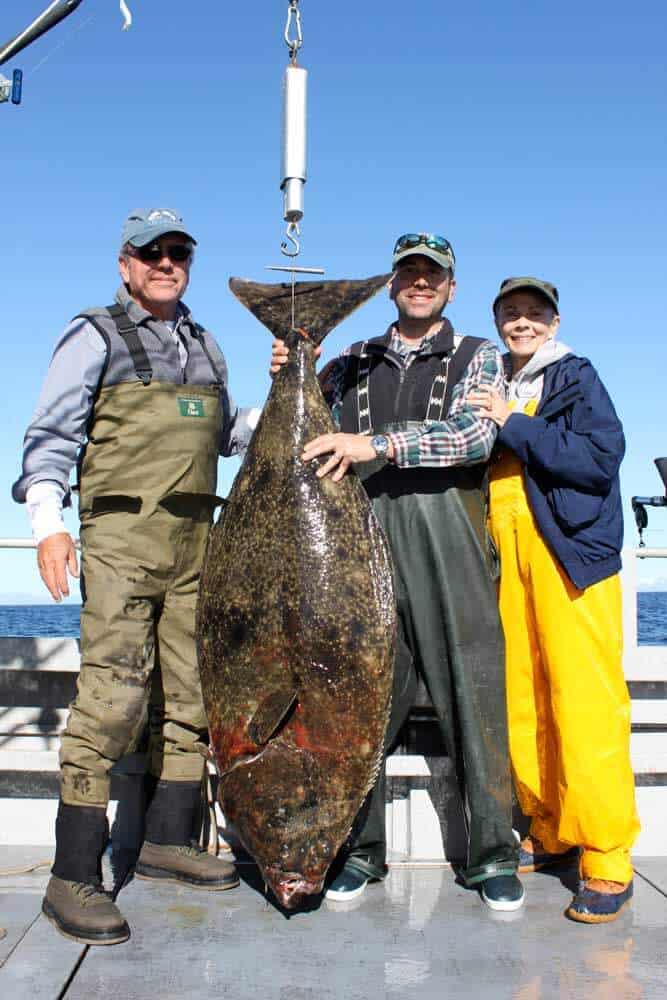
Mark and Linda – Destin, FL
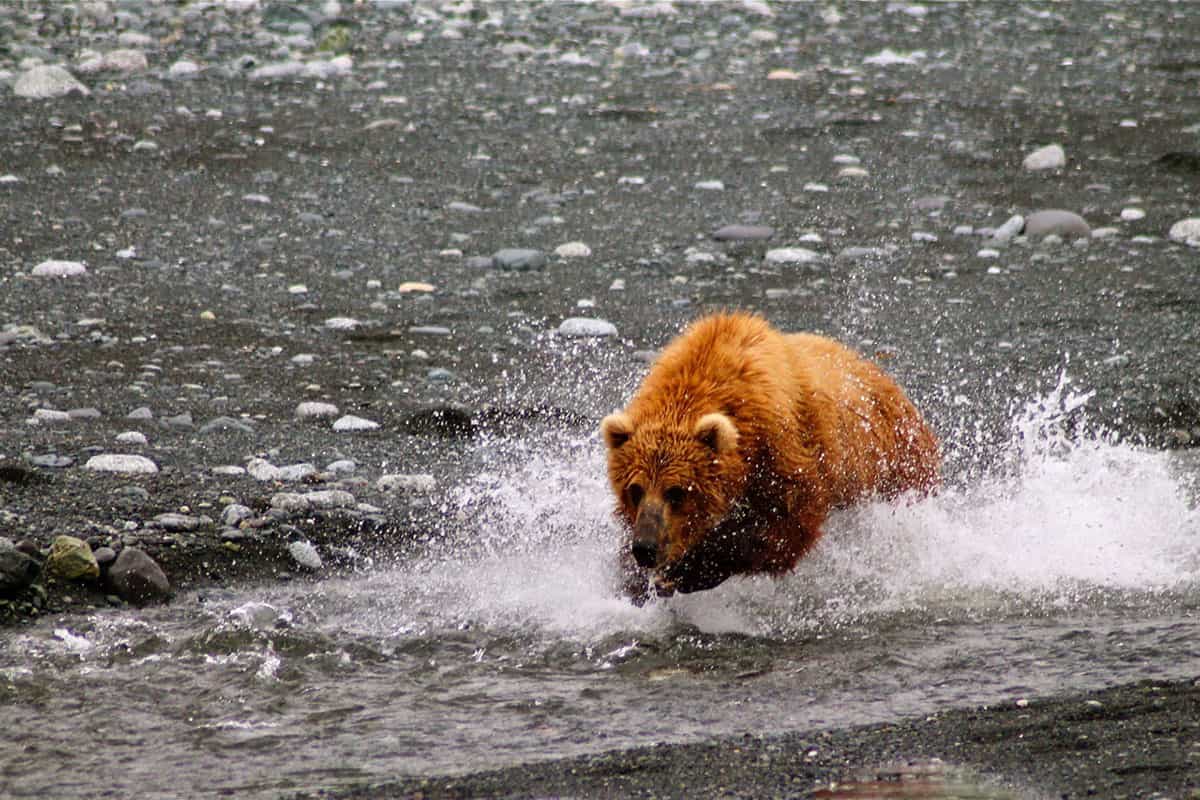
bear viewing
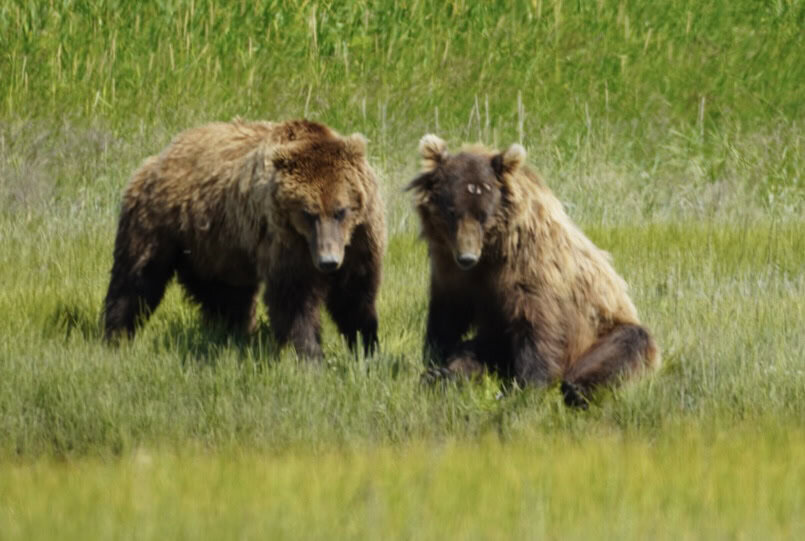
Fly-out bear viewing provides access to remote regions of the Kodiak Archipelago and nearby mainland Alaska, where coastal brown bears gather along salmon streams, sedge meadows, tidal flats, and open coastline.