
Alaska’s Coastal Brown Bear

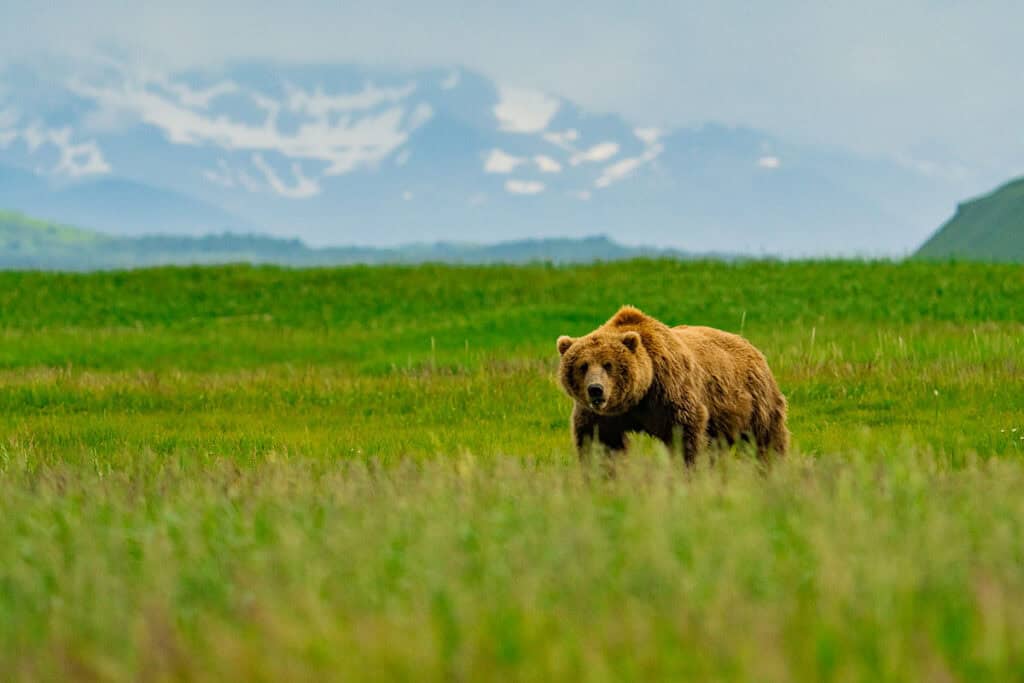
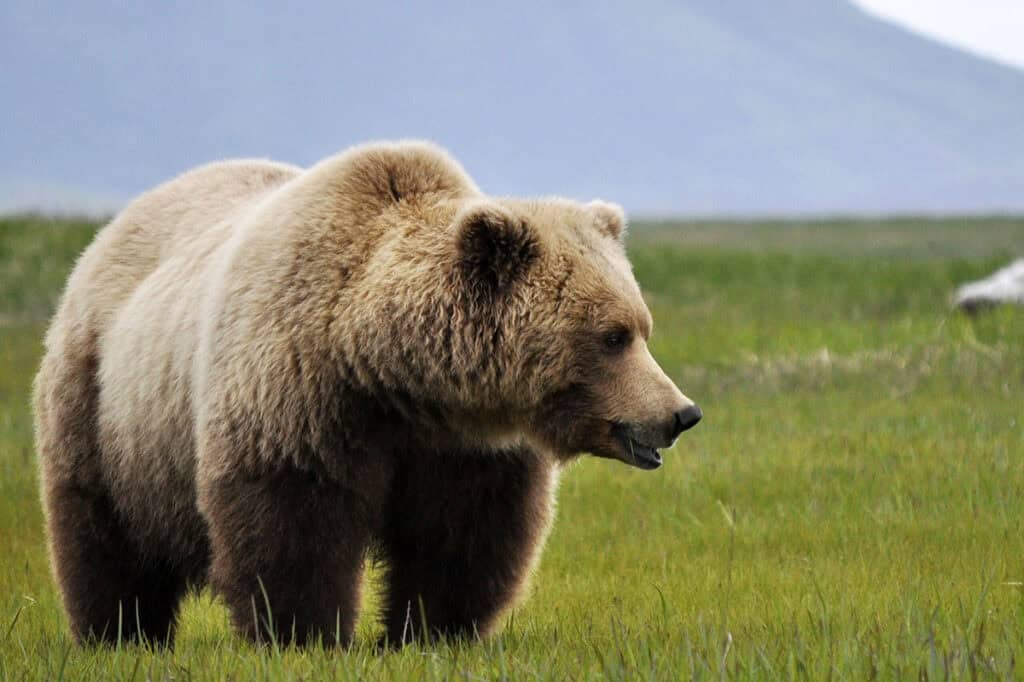
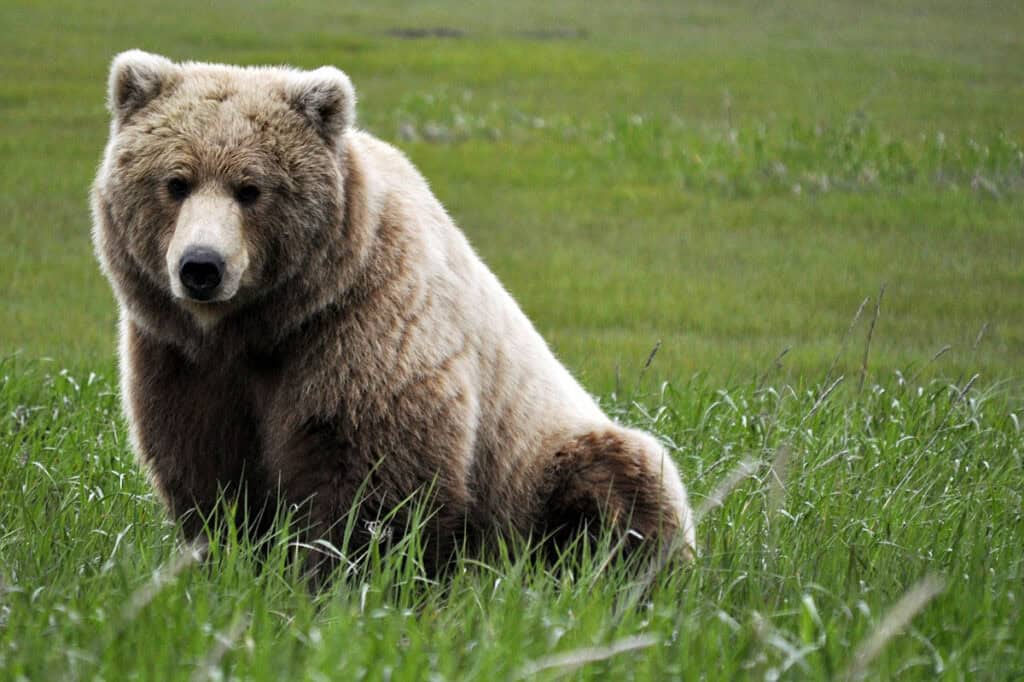
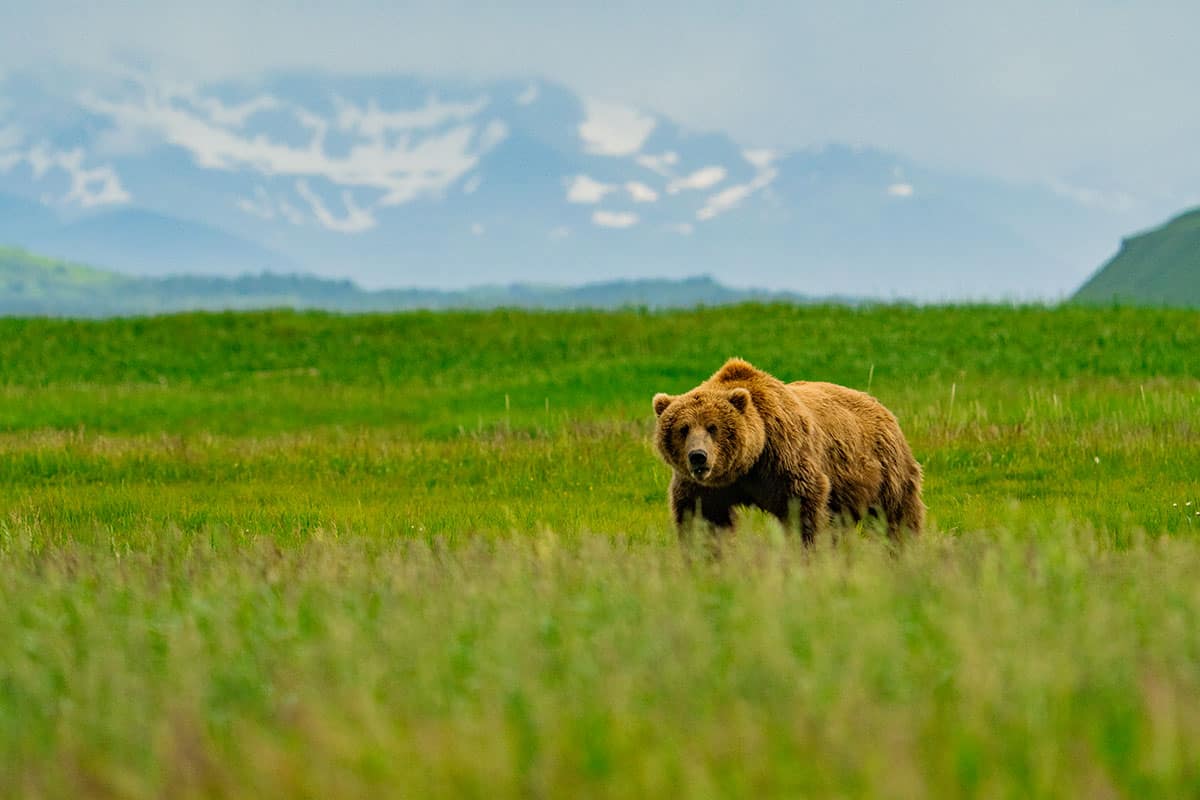
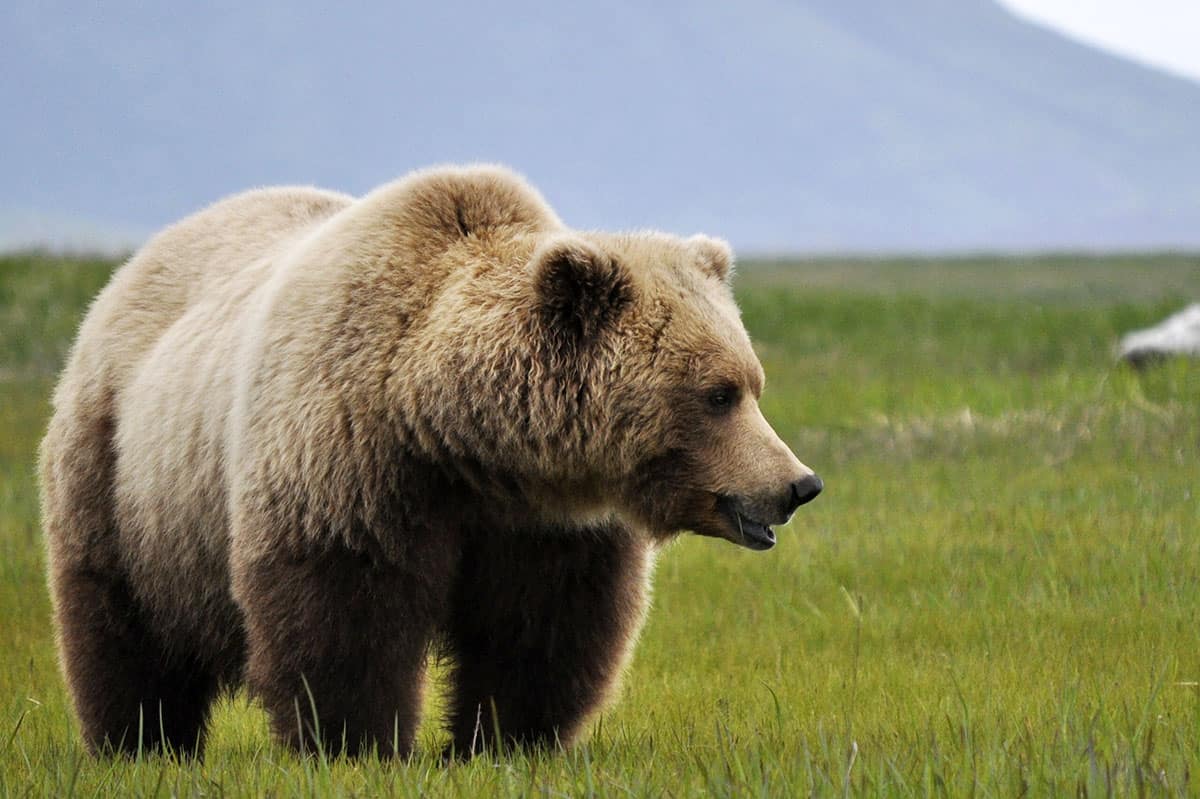
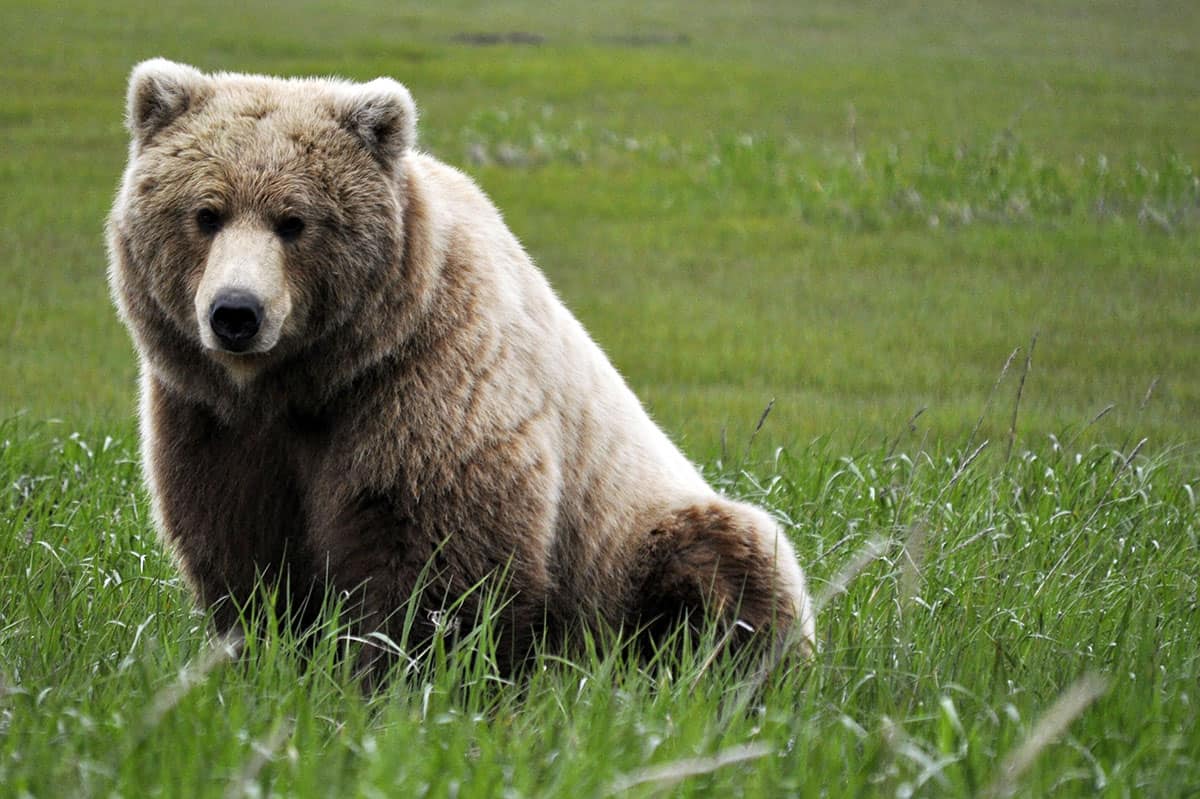
may best be understood as a seasonal specialist. Everything about it is built around one objective: converting short periods of abundance into the reserves needed to endure long periods of scarcity. Viewed this way, their size, behavior, and daily rhythm begin to make sense.
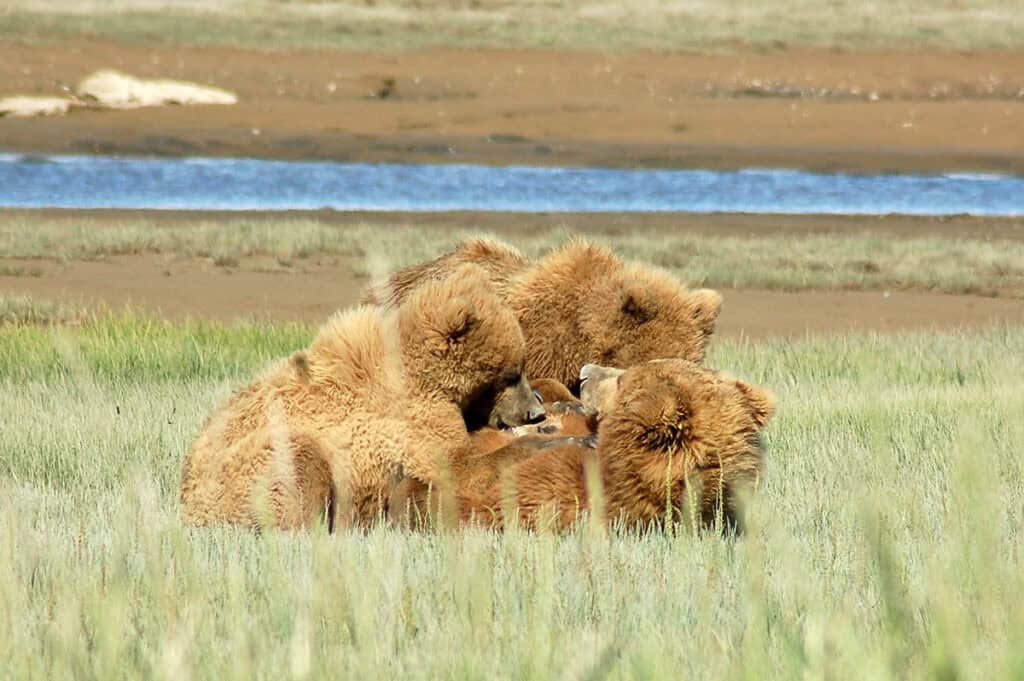
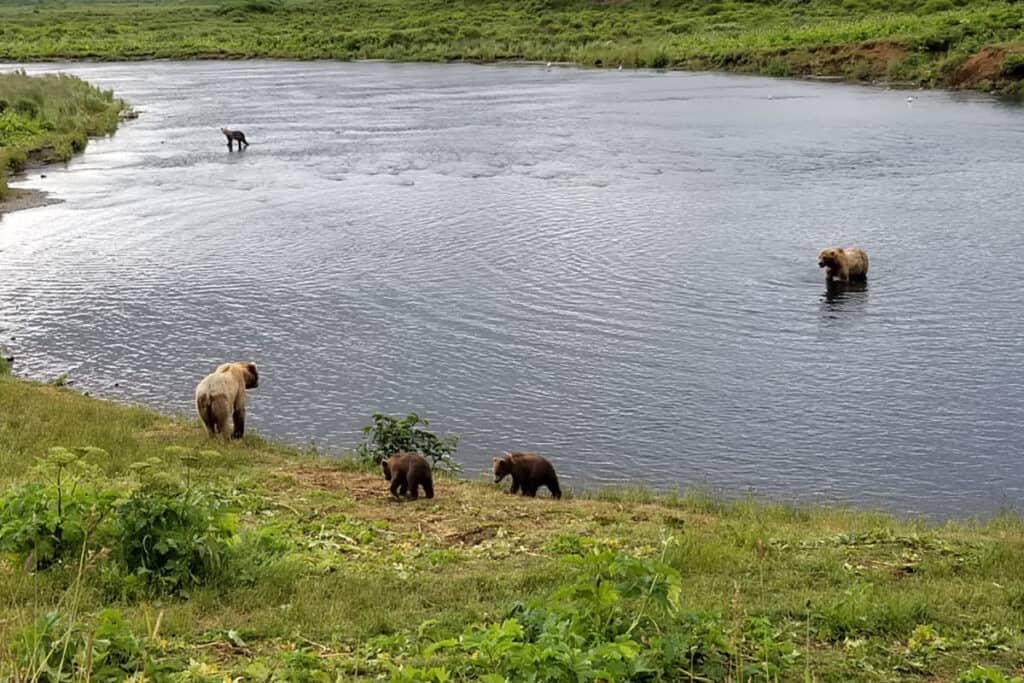
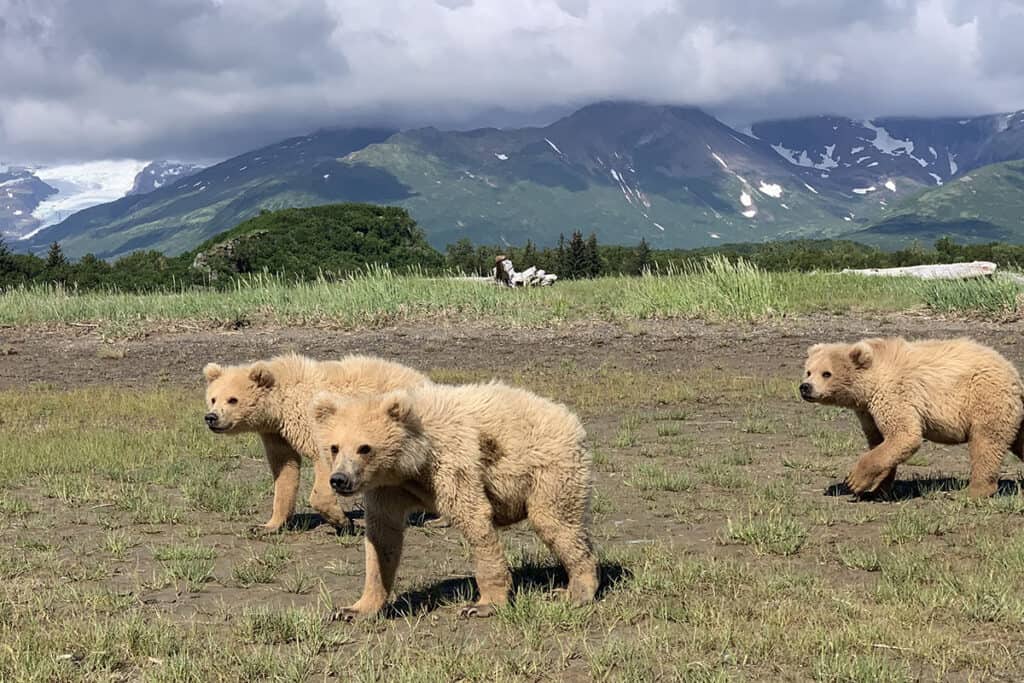
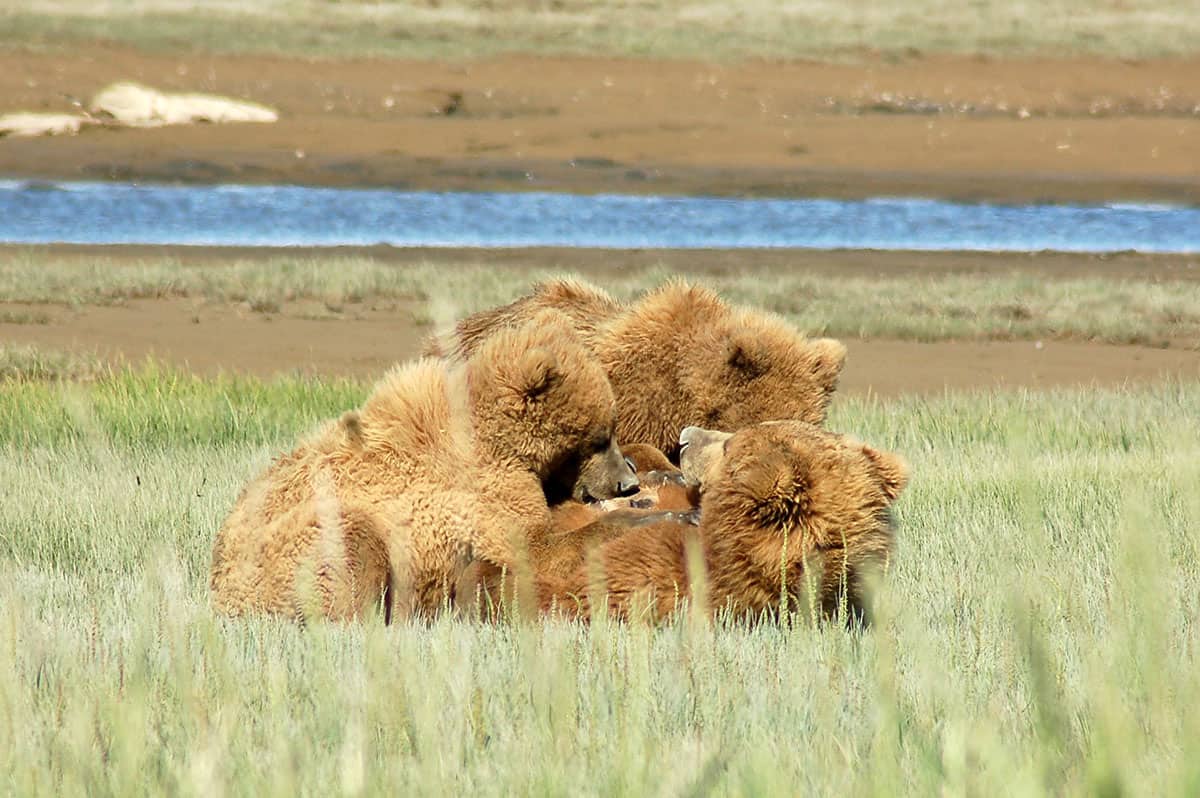
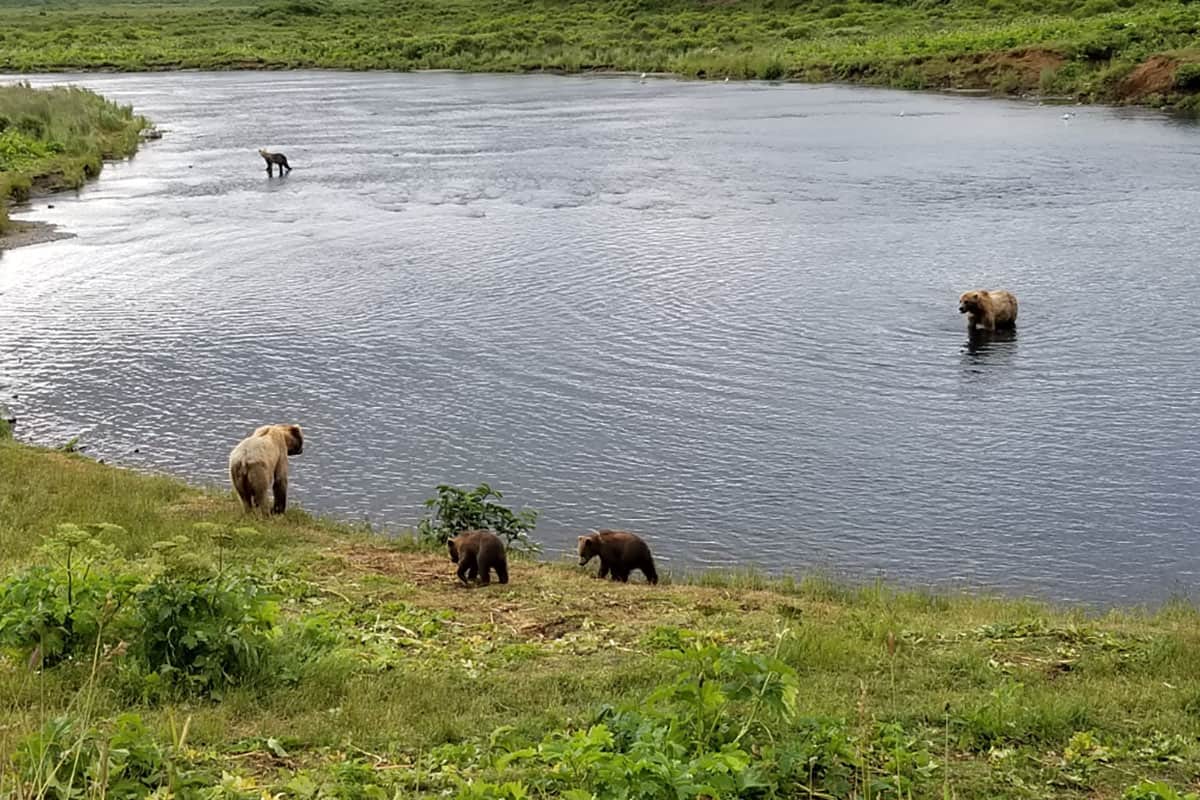
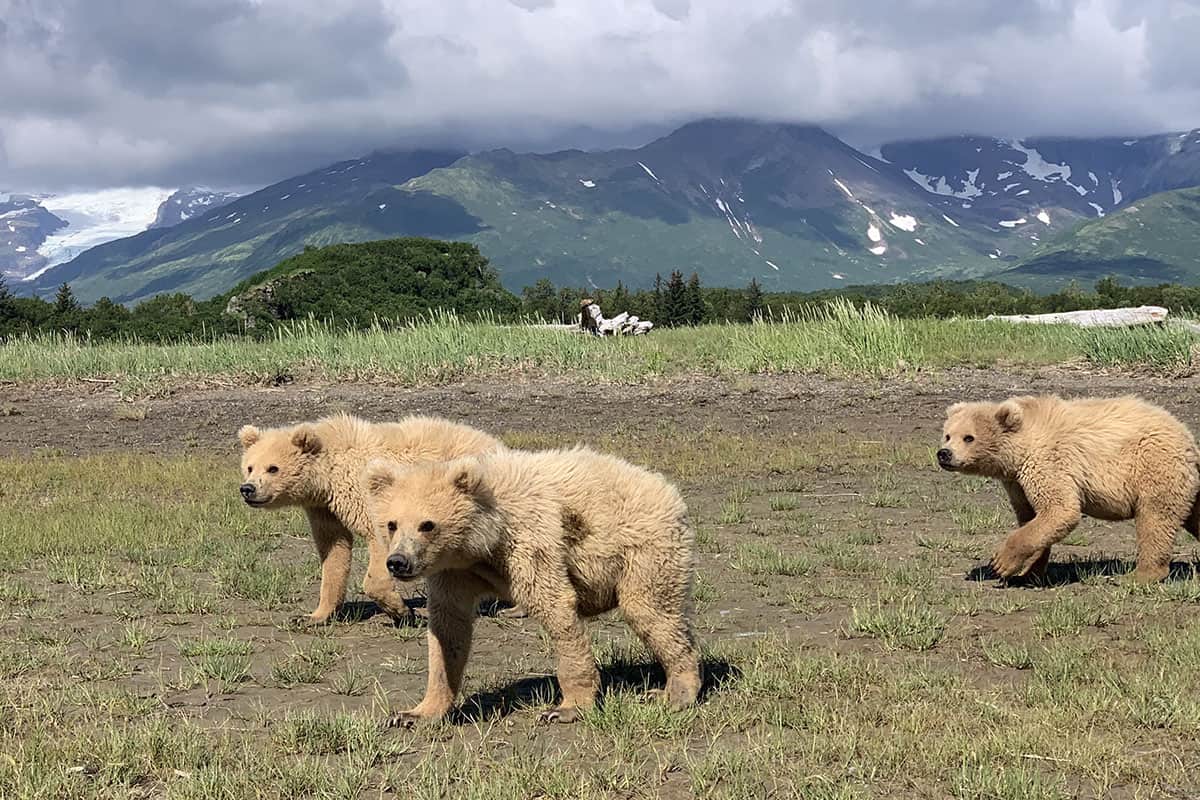
Cubs are born in mid-winter while the sow is denned—tiny, blind, and fully dependent. By late April or May, they emerge strong enough to follow her, having grown on rich milk. A sow raises one to three cubs for nearly three years, teaching them where to feed, how to move through the landscape, and how to read other bears.
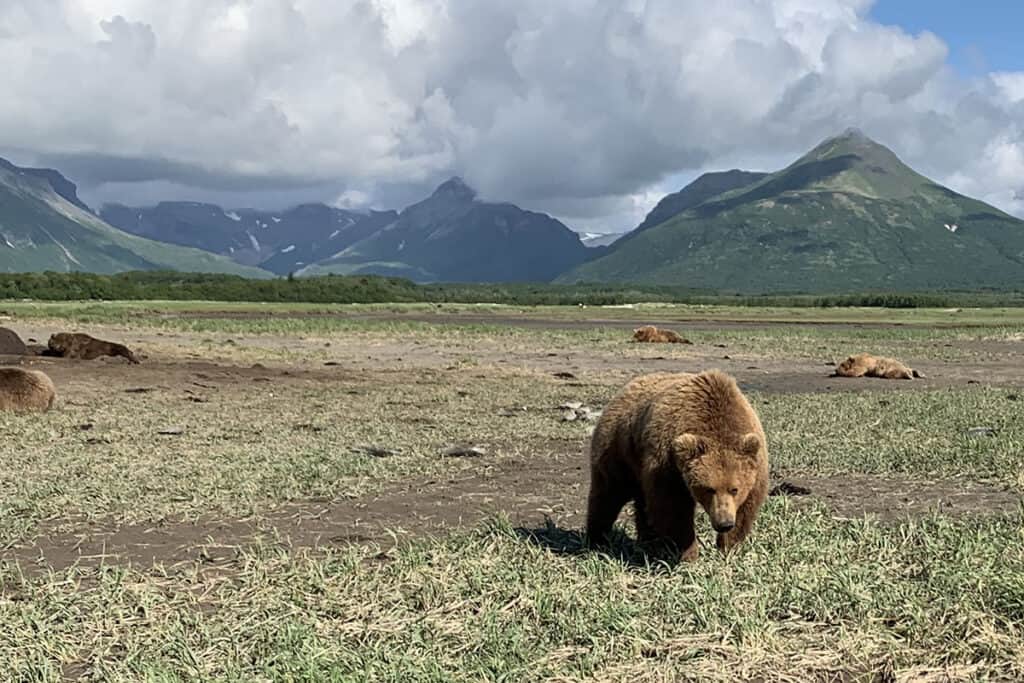
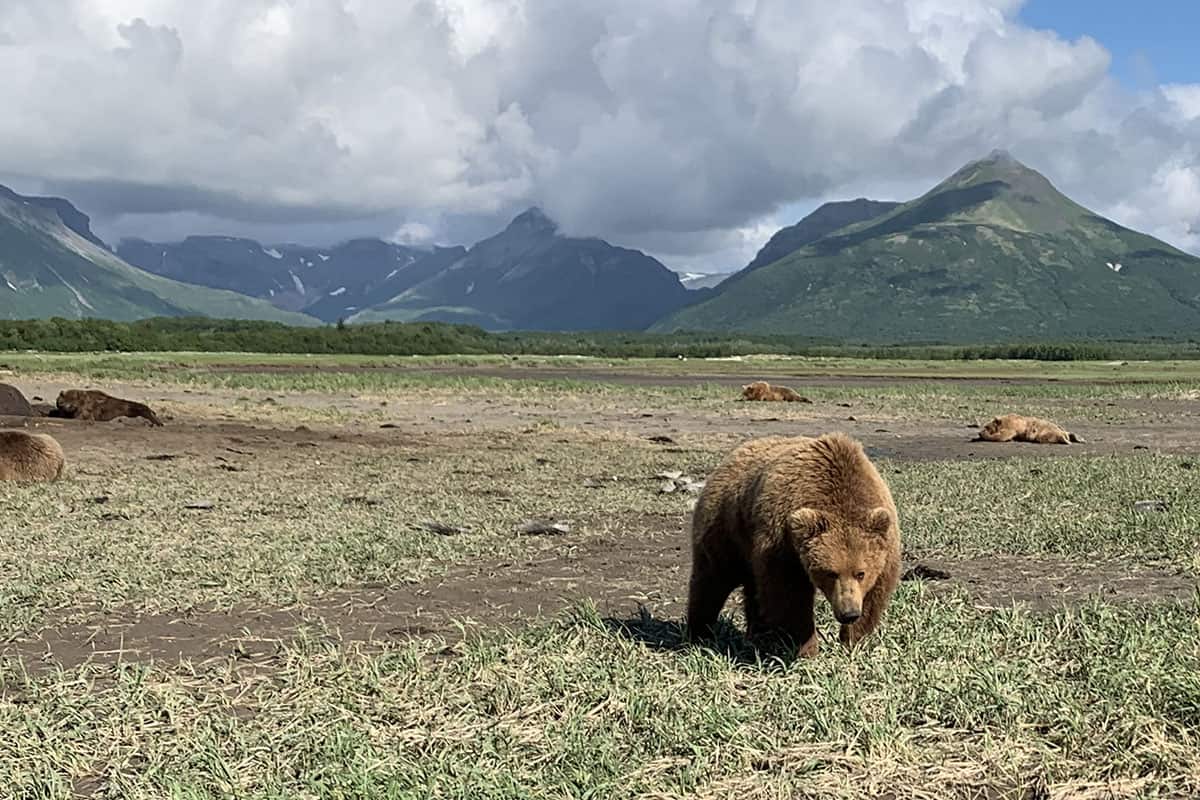
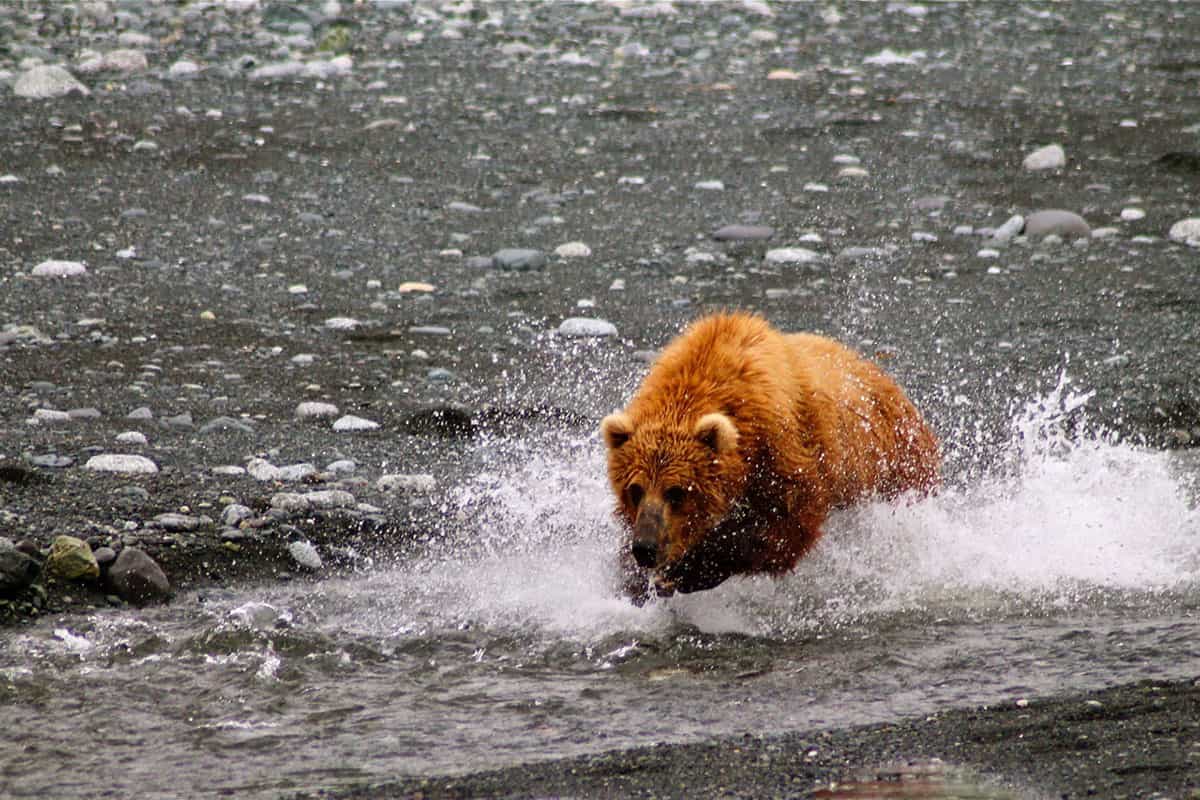
From den emergence onward, the year is defined by food. Spring brings sedges, grasses, carrion, and intertidal feeding. Summer adds roots and berries. By mid-summer into fall, salmon becomes the defining resource. During peak runs, a large bear may eat dozens of fish daily, often selecting only the fattiest parts—an efficient conversion into stored energy.
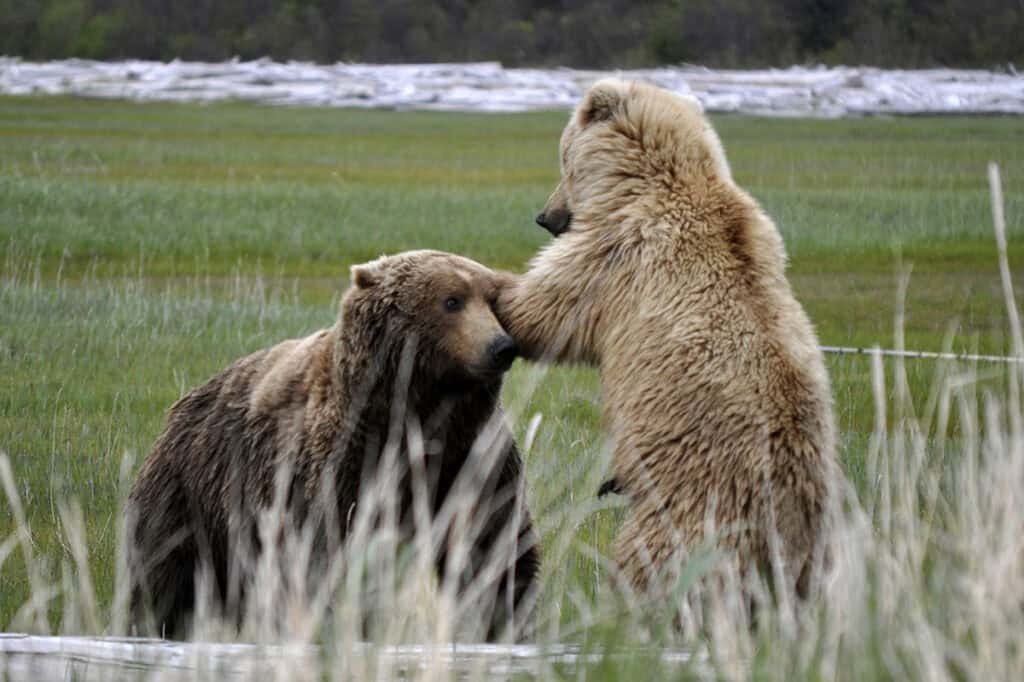
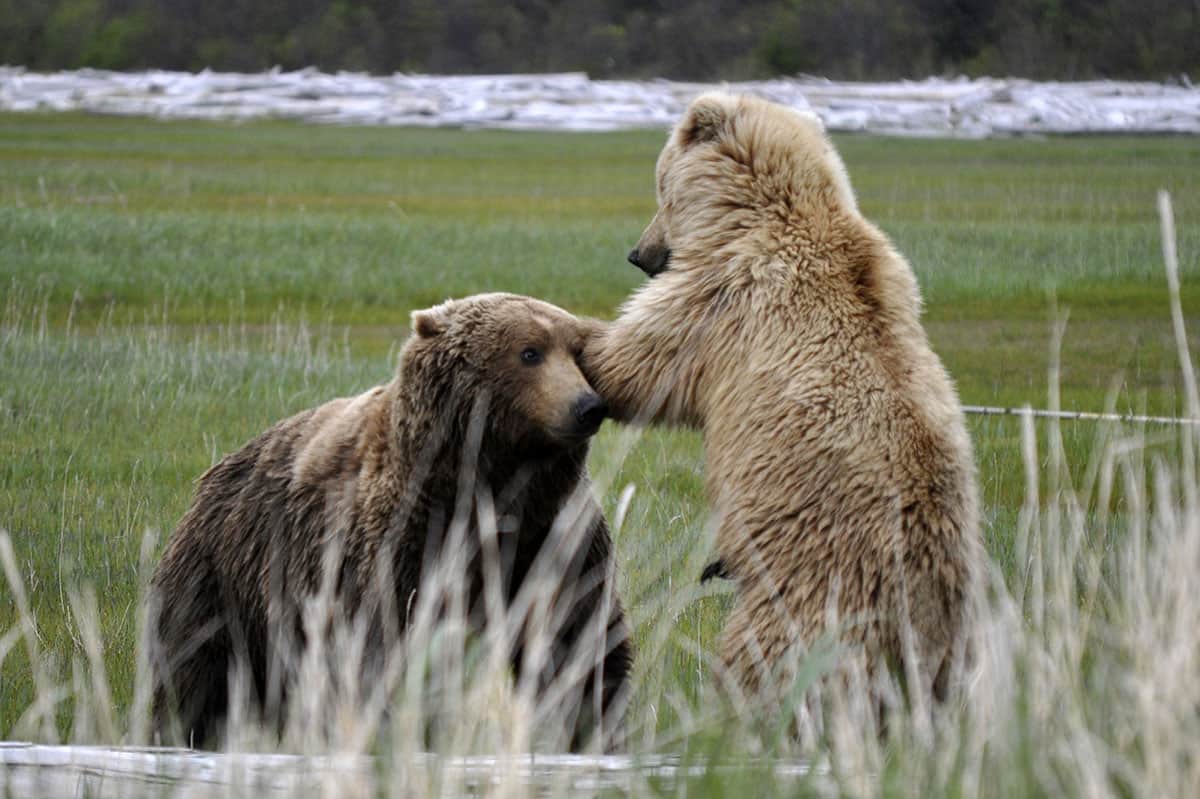
Despite their reputation, brown bears are not entirely solitary. Along salmon streams, multiple bears feed within a quiet hierarchy, with most interactions resolved through spacing and body language rather than conflict.
Breeding occurs in early summer, but through delayed implantation, pregnancy only proceeds if the female has built sufficient fat reserves by fall—linking reproduction directly to feeding success.
As fall approaches, bears enter hyperphagia—a sustained drive to eat—gaining weight rapidly before denning in late October or November. For five to seven months, they do not eat or drink, conserving energy while pregnant females give birth.
Over a lifespan of roughly twenty to twenty-five years, a successful bear is one that learns this rhythm—tracking seasonal food, avoiding unnecessary conflict, and building enough reserves to endure each winter.
Ray and Sarah Baker – Bismarck, ND
bear viewing
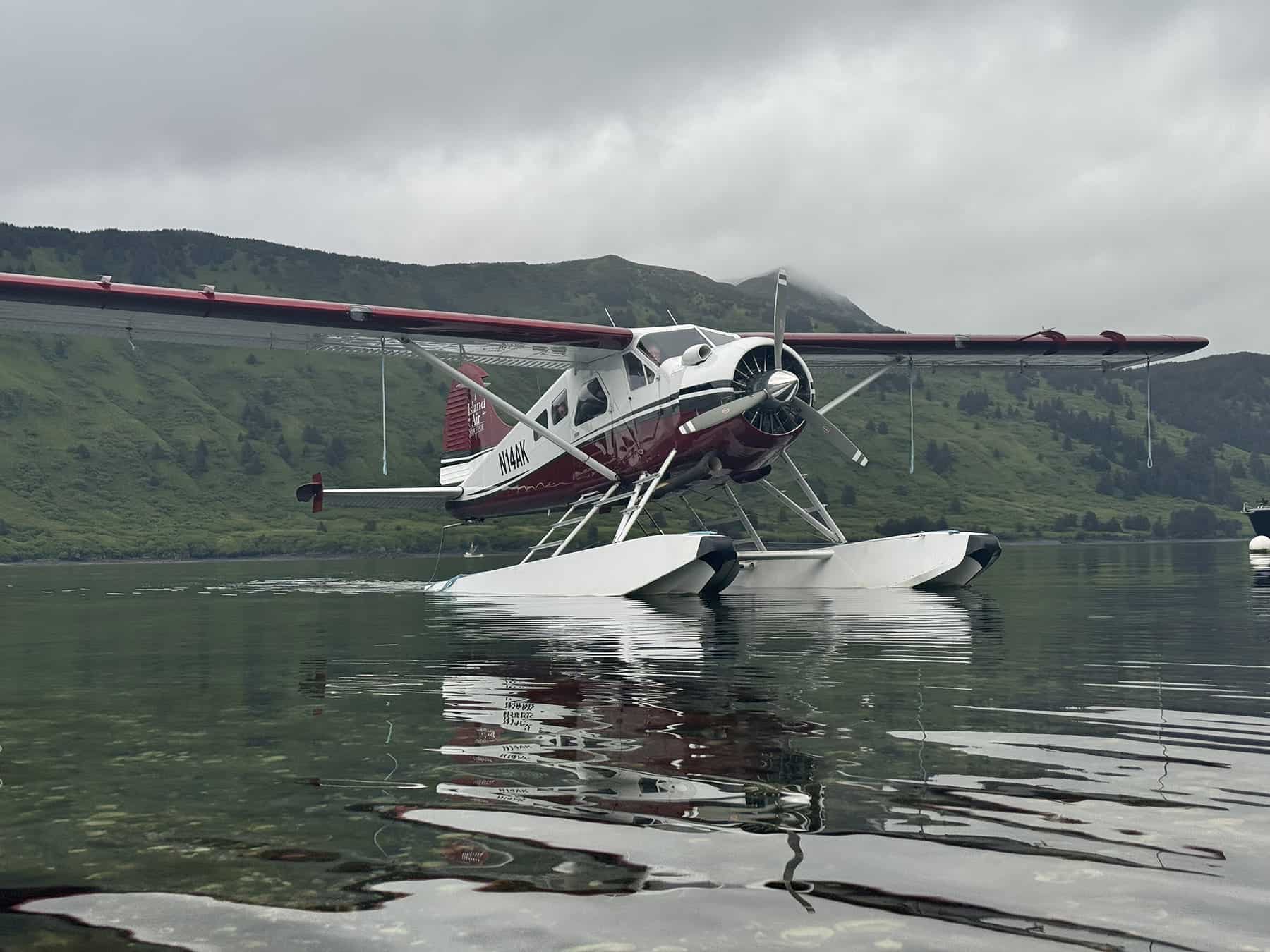
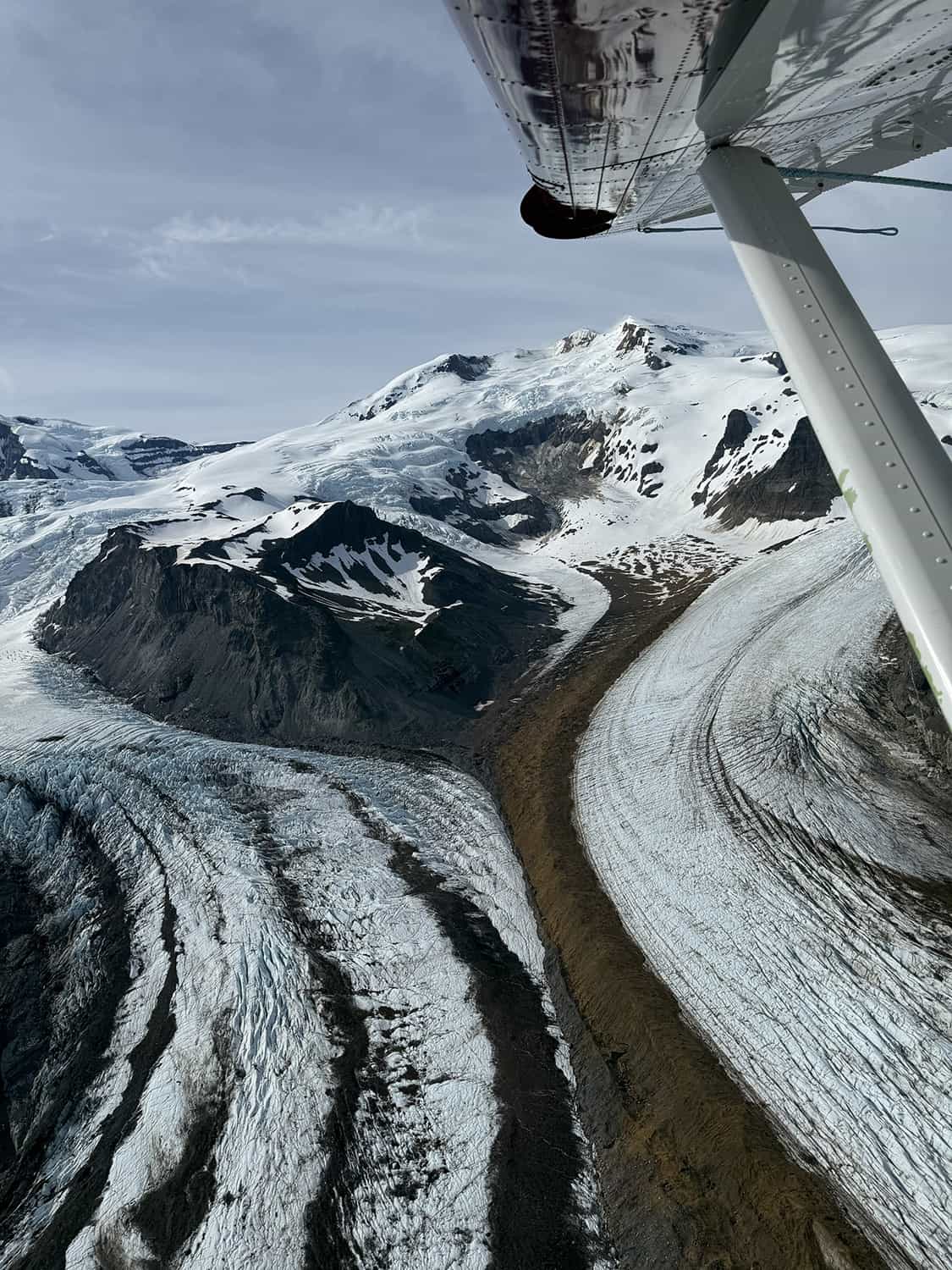
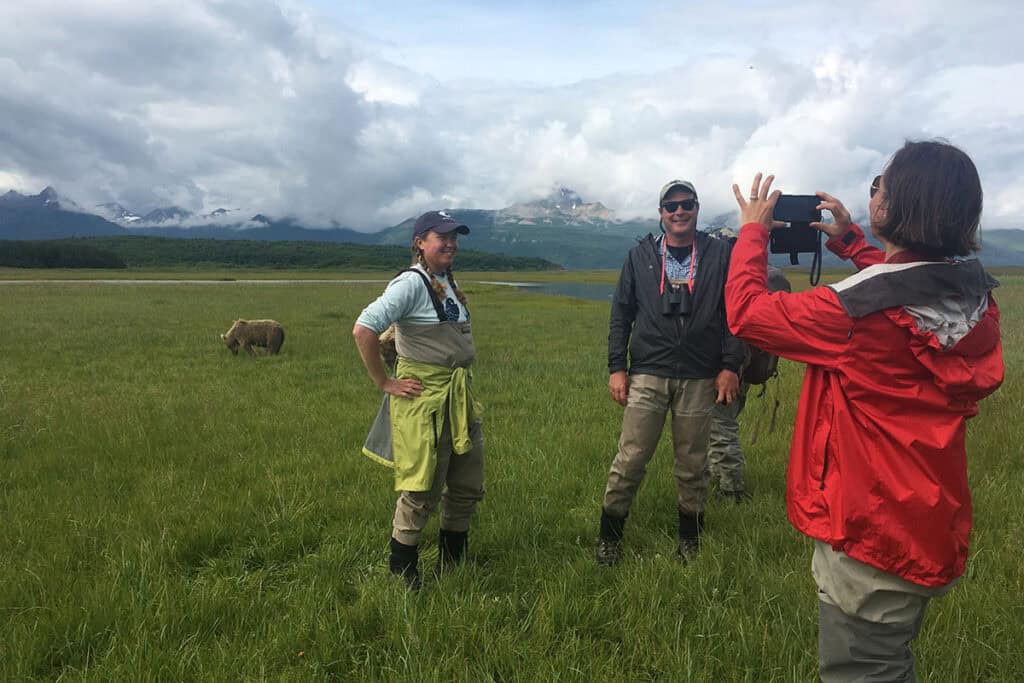
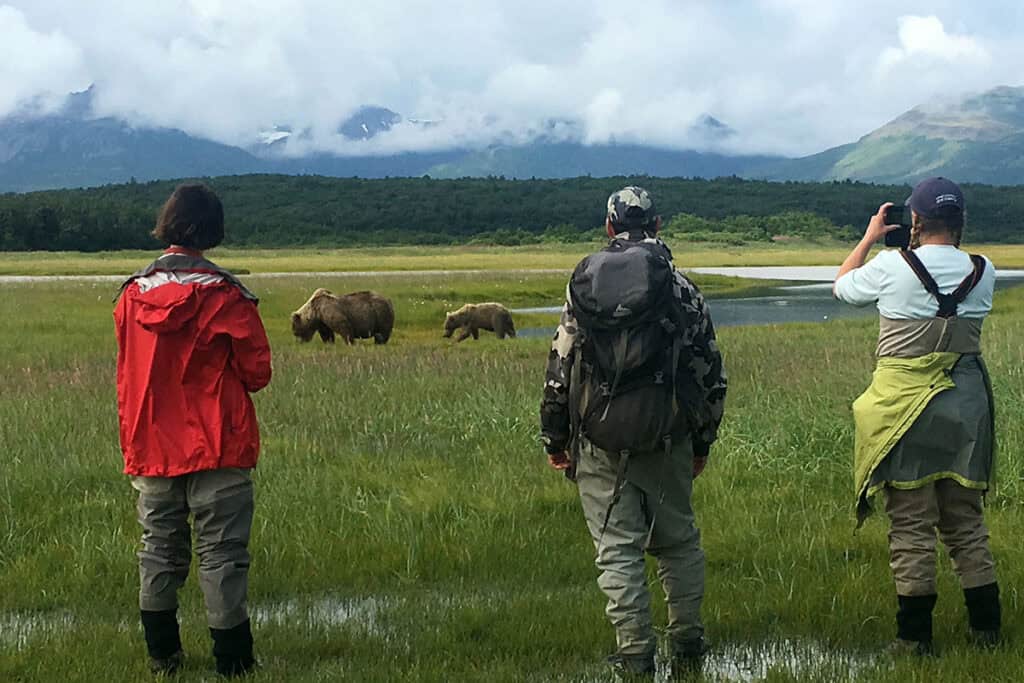
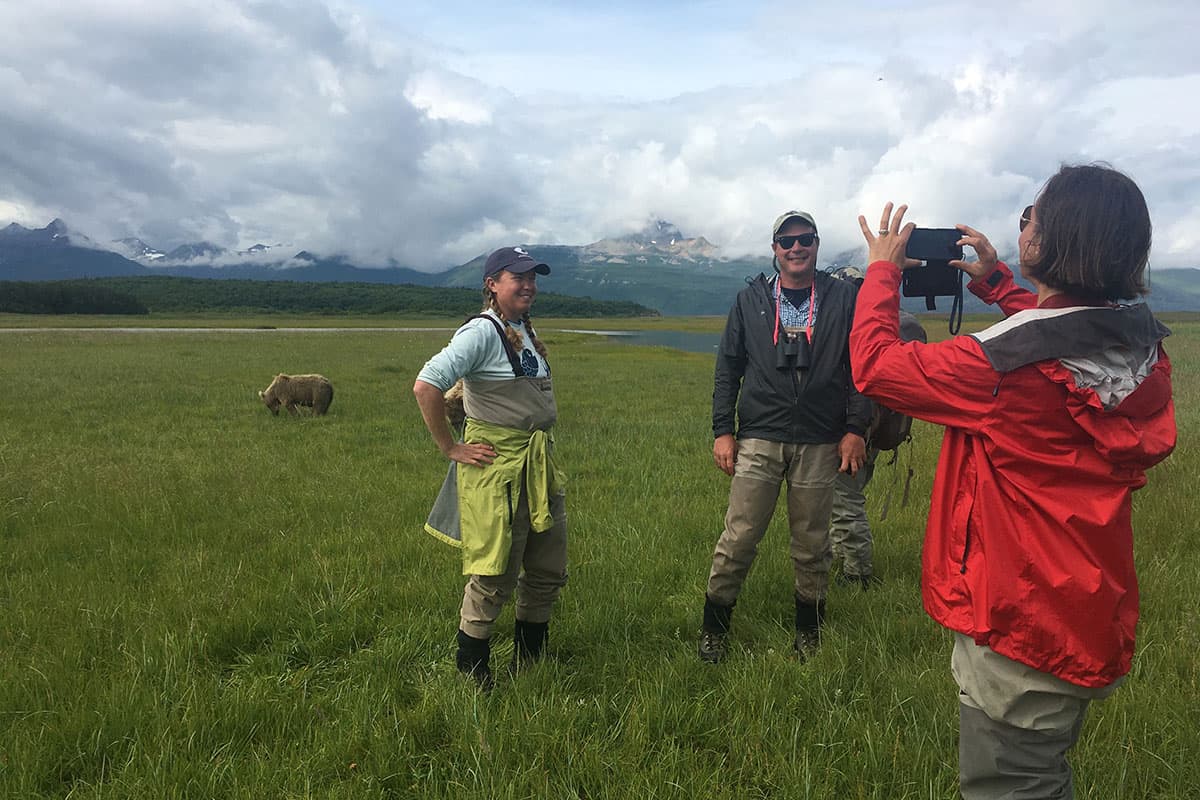
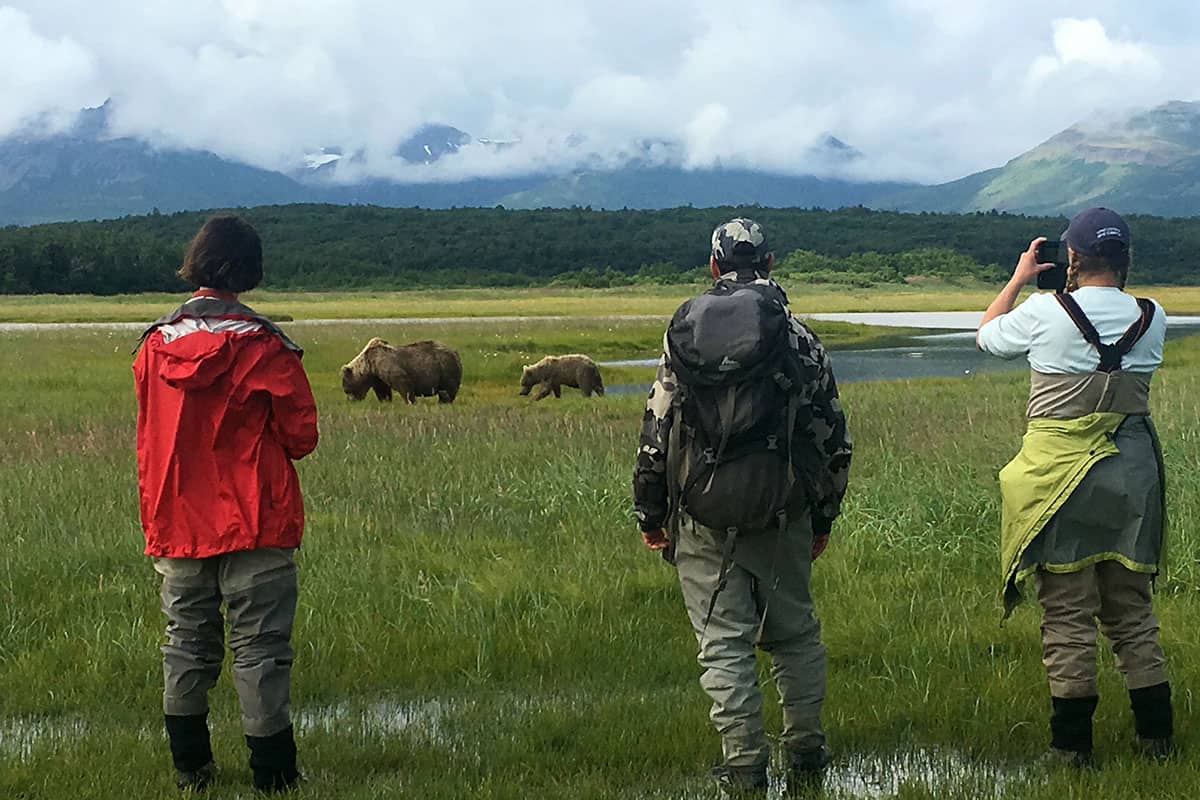
Fly-out bear viewing provides access to remote regions of the Kodiak Archipelago and nearby mainland Alaska, where coastal brown bears gather along salmon streams, sedge meadows, tidal flats, and open coastline.