
The Best Time to Visit

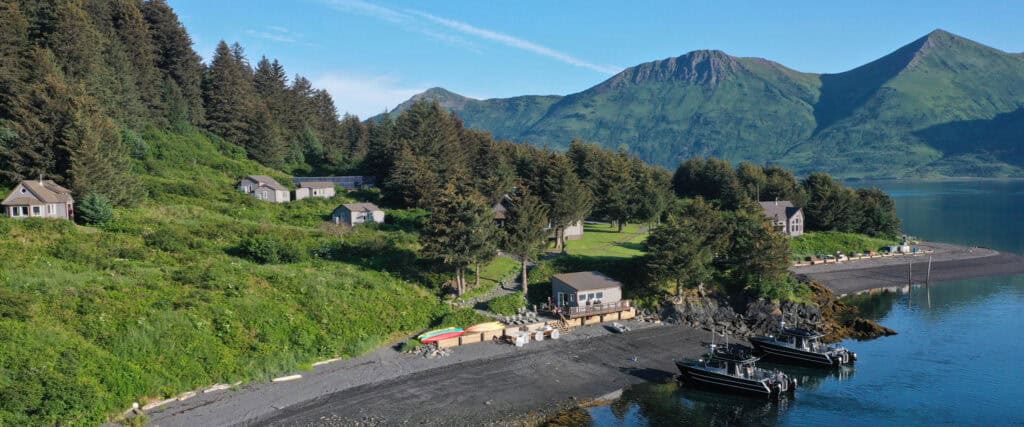
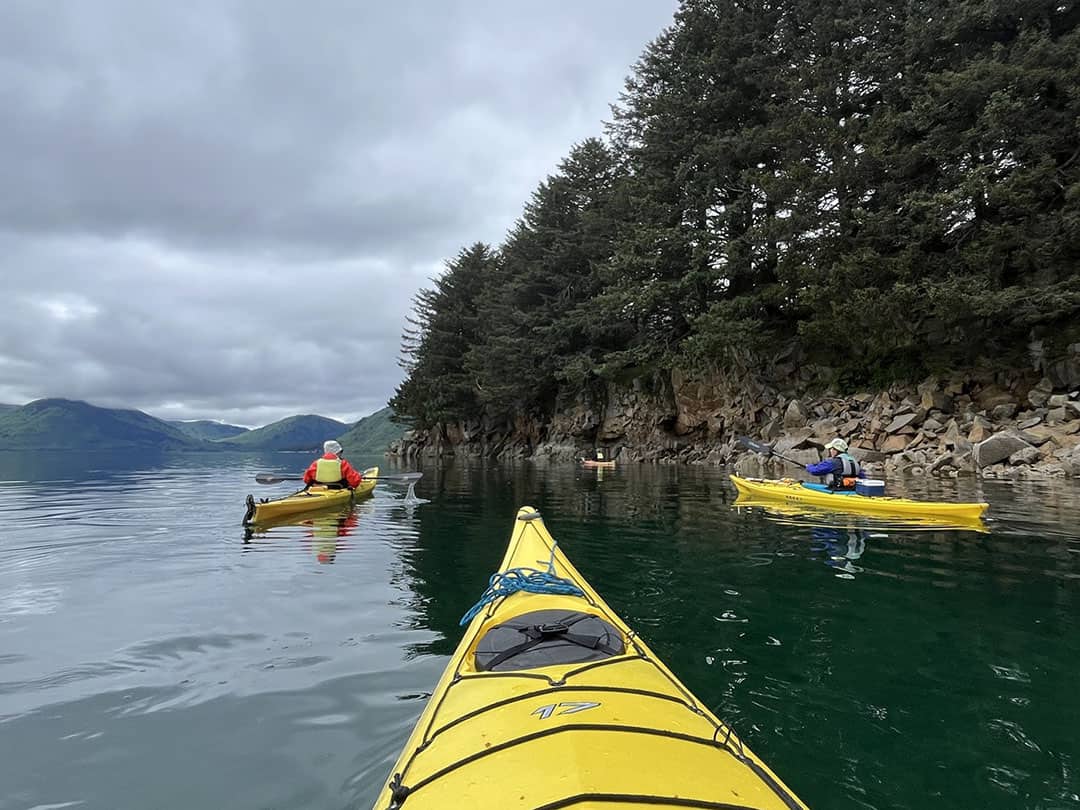
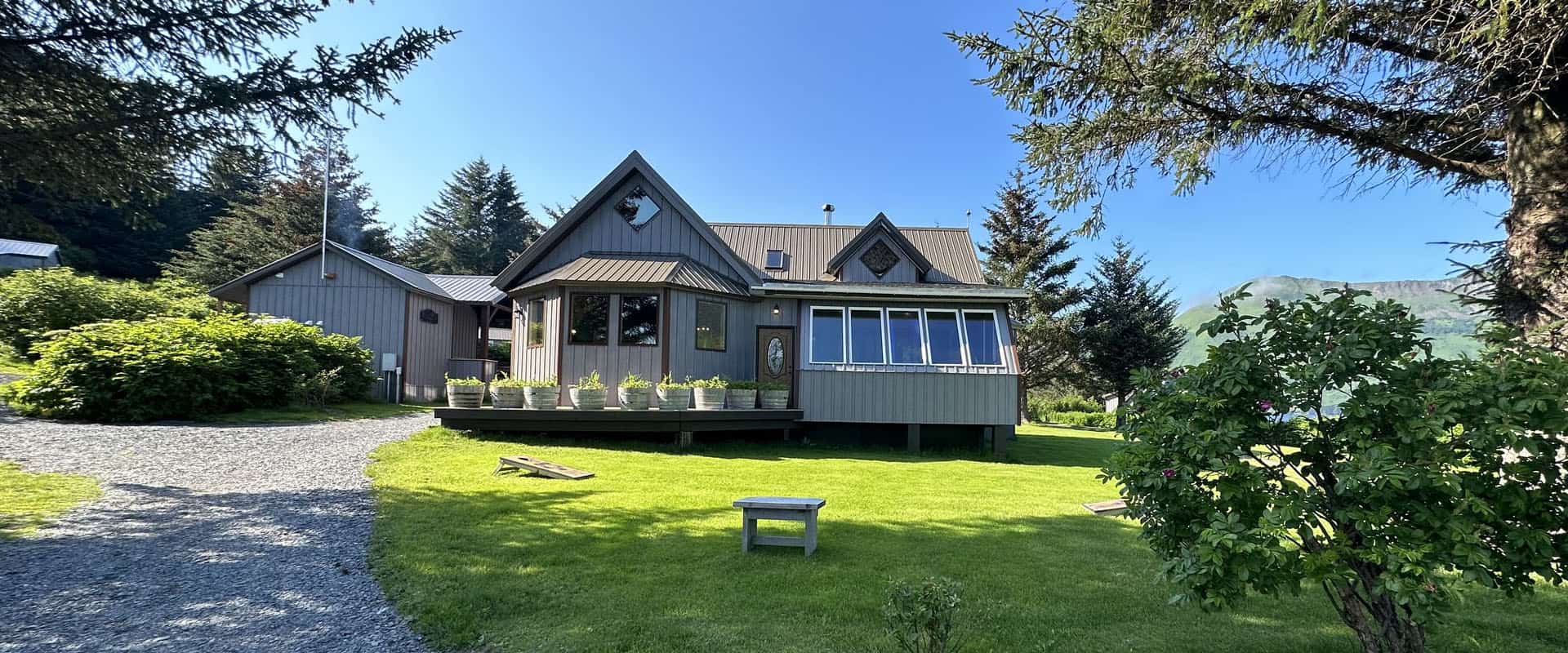
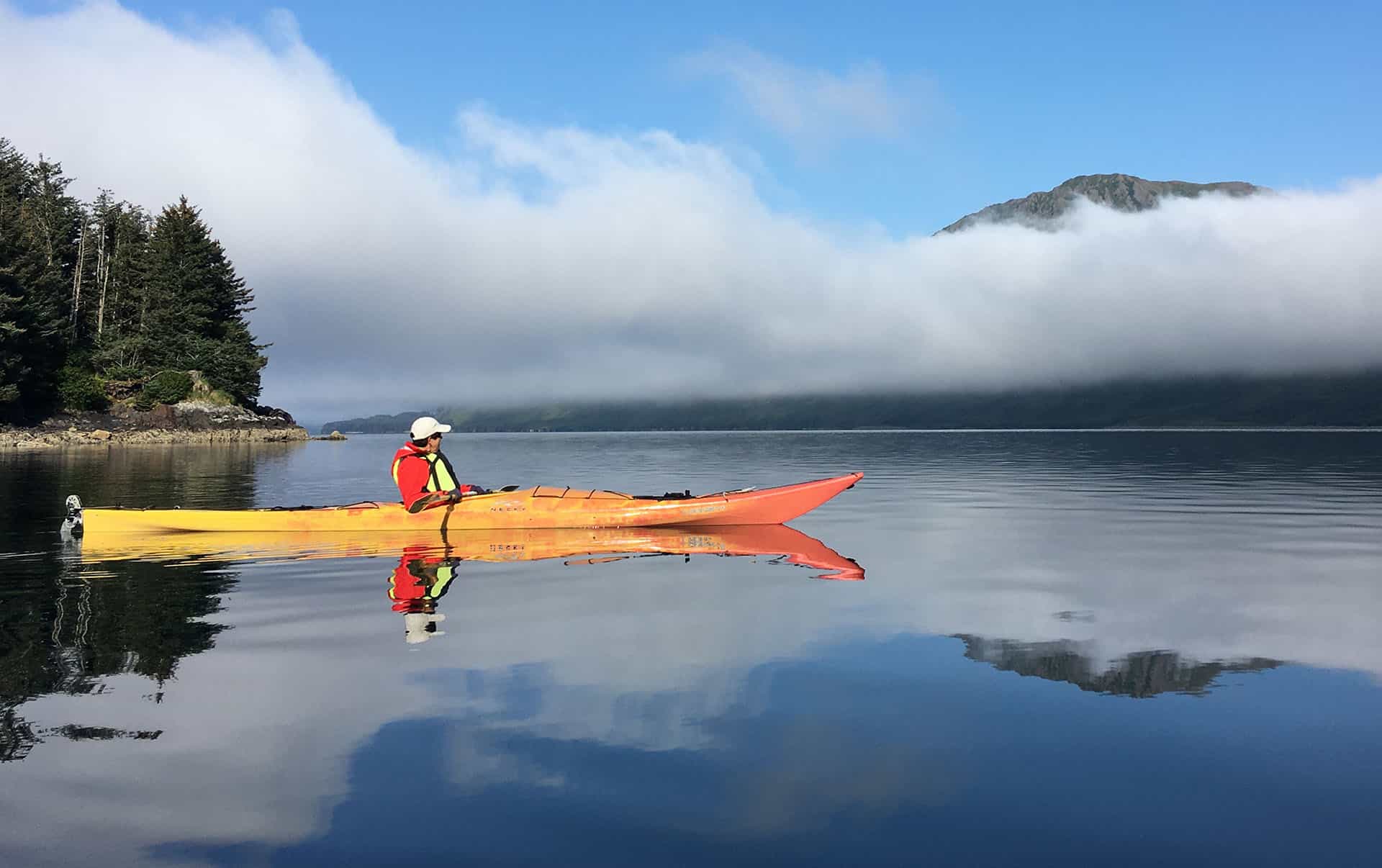
Kodiak Raspberry Island Remote Lodge depends on your goals. Our summer season — including fishing, sea kayaking, hiking, nature and wildlife cruises, and fly-out bear viewing — opens May 26 and typically runs through September 26. These months define coastal Alaska at its most dynamic: long daylight hours, active wildlife, returning salmon, and full access to the surrounding wilderness.
There is no single “best” time in a general sense. Each part of the season offers a different version of the same place—shaped by light, weather, and the movement of fish and wildlife. The right time to visit is simply the one that aligns with what you want to experience while you’re here.
Read on to find out more about what to expect throughout the summer season.
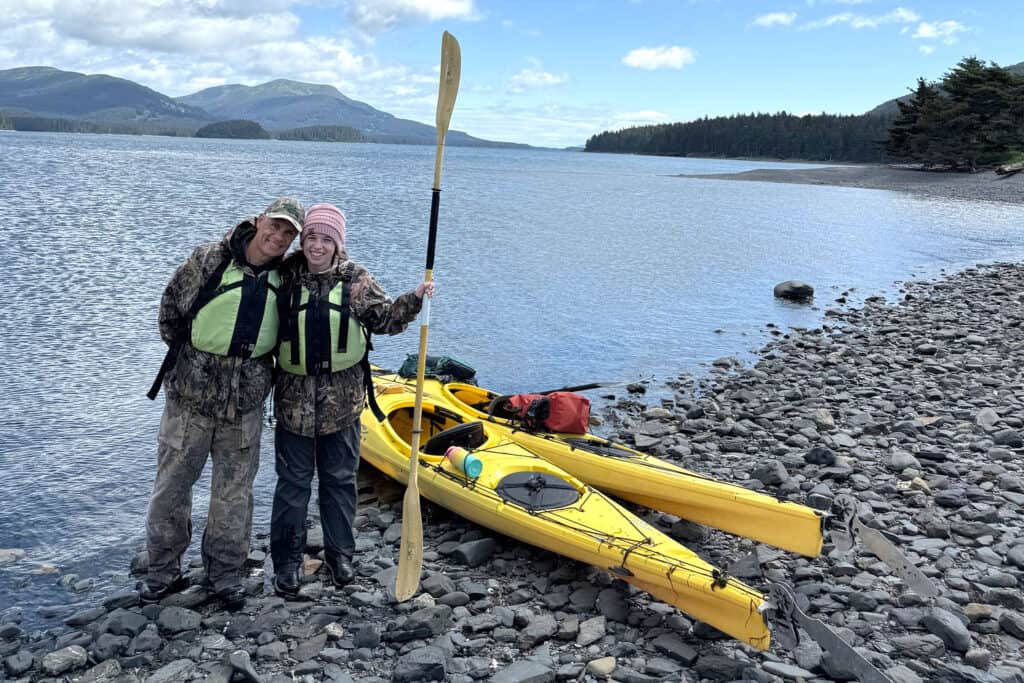
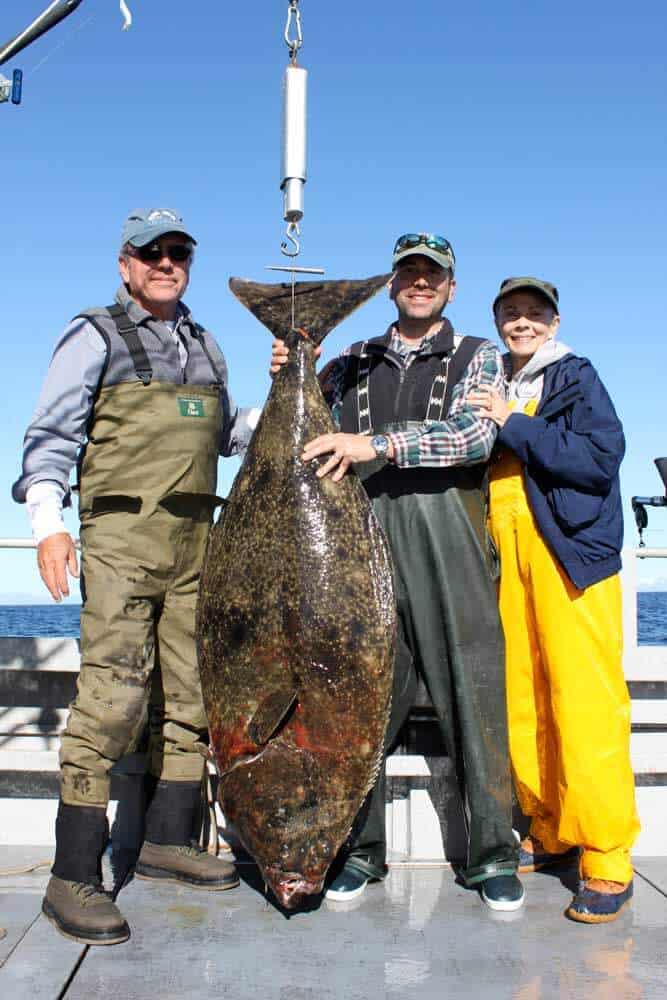
Ken and Lisa Reason – Lakewood, California
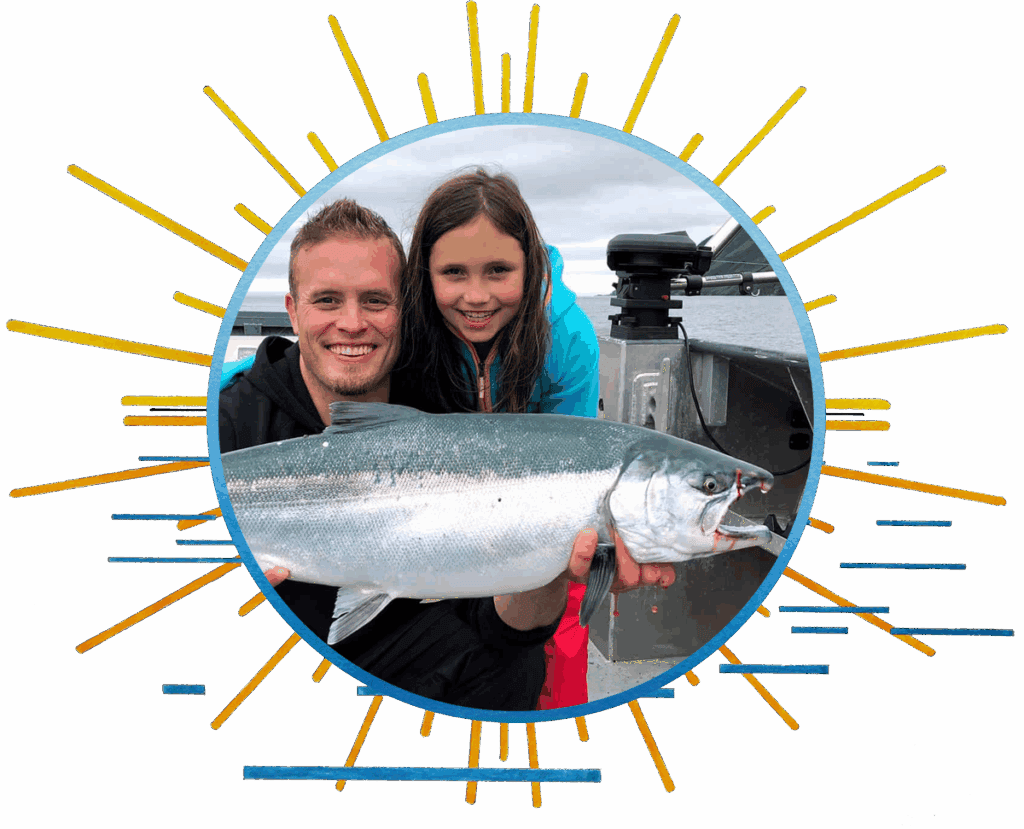
This marks the beginning of our summer. Temperatures generally range from the high 50s into the 70s, often accompanied by calm days and the surge of life that spring brings to the landscape. The surrounding flora moves quickly—budding and flowering as the long days return, often in full sun. Delicate blooms emerge, and the mountains turn green almost before your eyes, pushing up to the edges of lingering alpine snow.
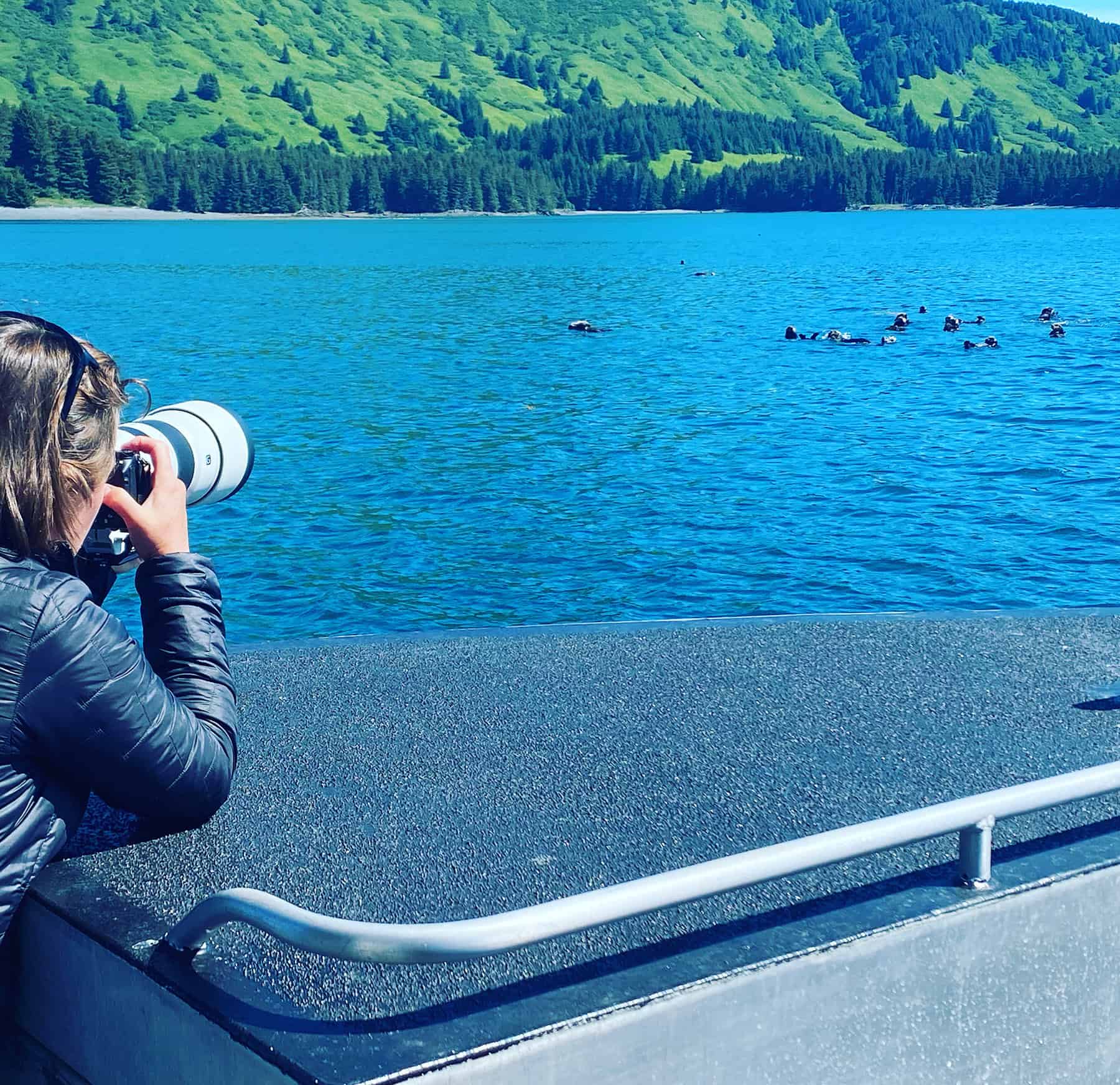
Wildlife activity is strong during this period. Kodiak brown bears have recently emerged from hibernation, Roosevelt elk are tending to newborn calves, and humpback and fin whales return to feed in the nutrient-rich waters. These encounters may occur from the fishing boats or during a Nature and Wildlife Cruise. Bald eagles, hungry after winter, gather in numbers along the shoreline, often drawn in by fish processing at day’s end. Those accustomed to the routine may pass low overhead, lifting a salmon carcass directly from the beach.
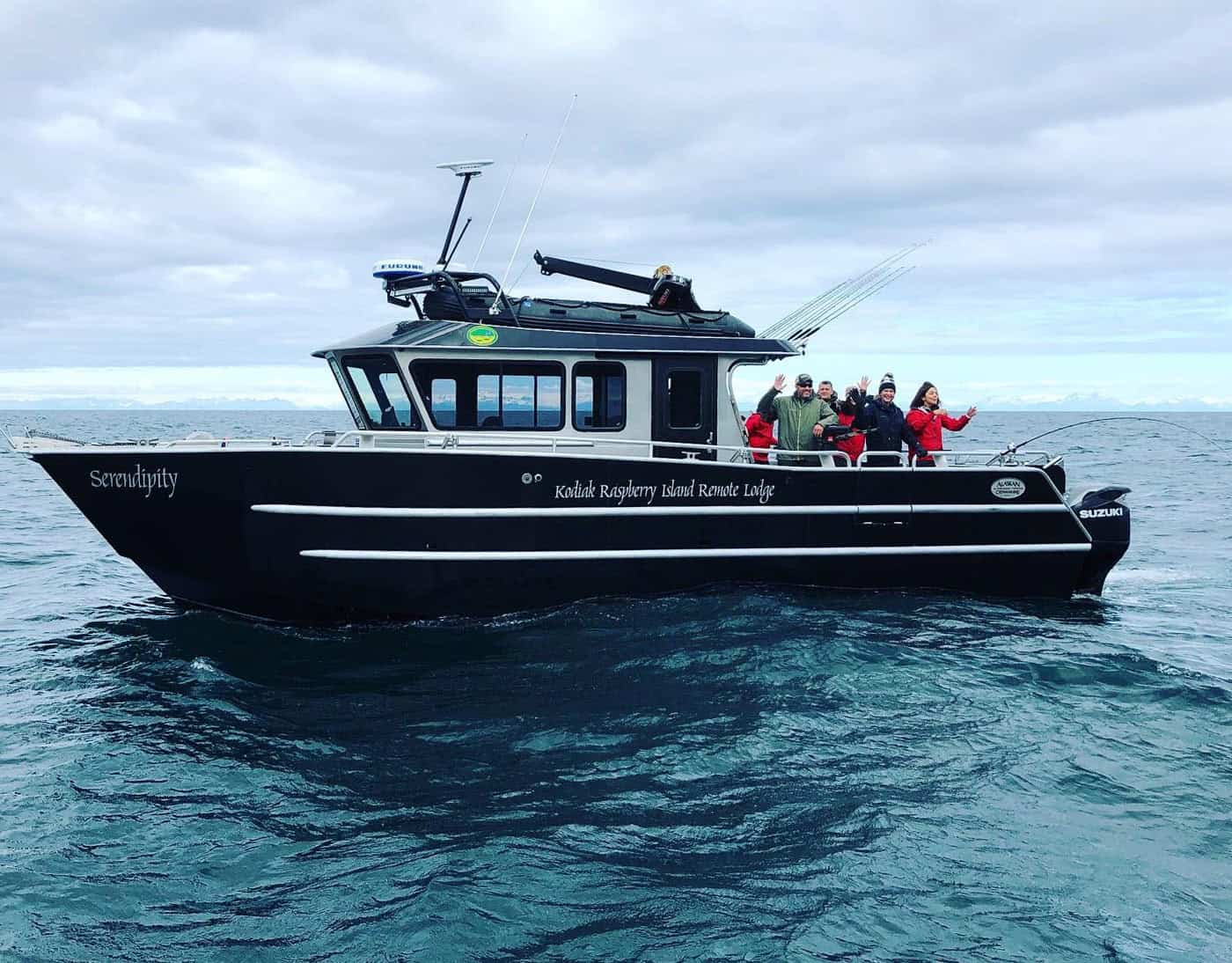
Fishing during this time can be exceptional. Sockeye salmon enter our local rivers and begin their upstream migration. These fish are bright, powerful, and highly valued (the same species as the well-known Copper River reds). Their run typically spans late May through early June and defines one of our two freshwater fisheries. At the same time, ocean fishing remains highly productive, with opportunities for halibut, rockfish, Pacific cod, Tanner crab, and early king salmon. Guests choosing to harvest their catch often return home with a diverse selection of premium, wild Alaskan seafood.
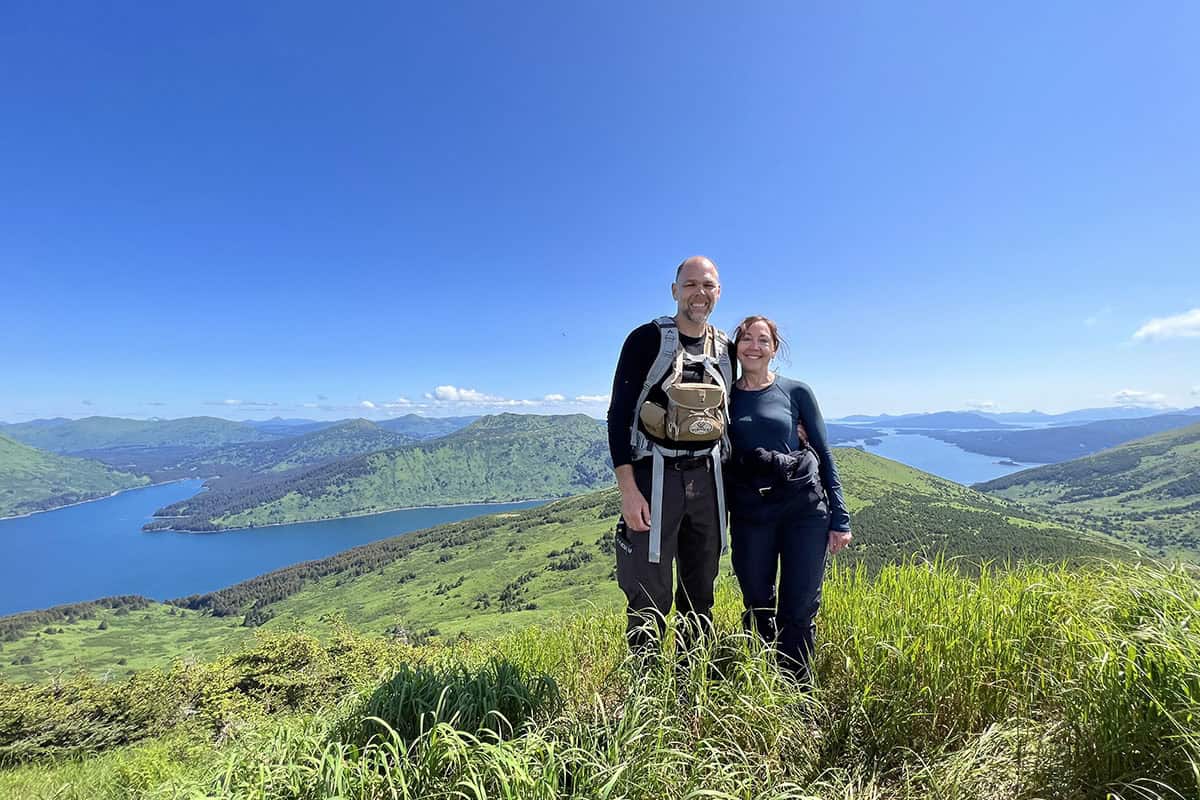
Hiking conditions are at their most open before vegetation fully develops. Trails remain visible, songbirds are active, and views from the coastline and higher ground are clear and expansive.
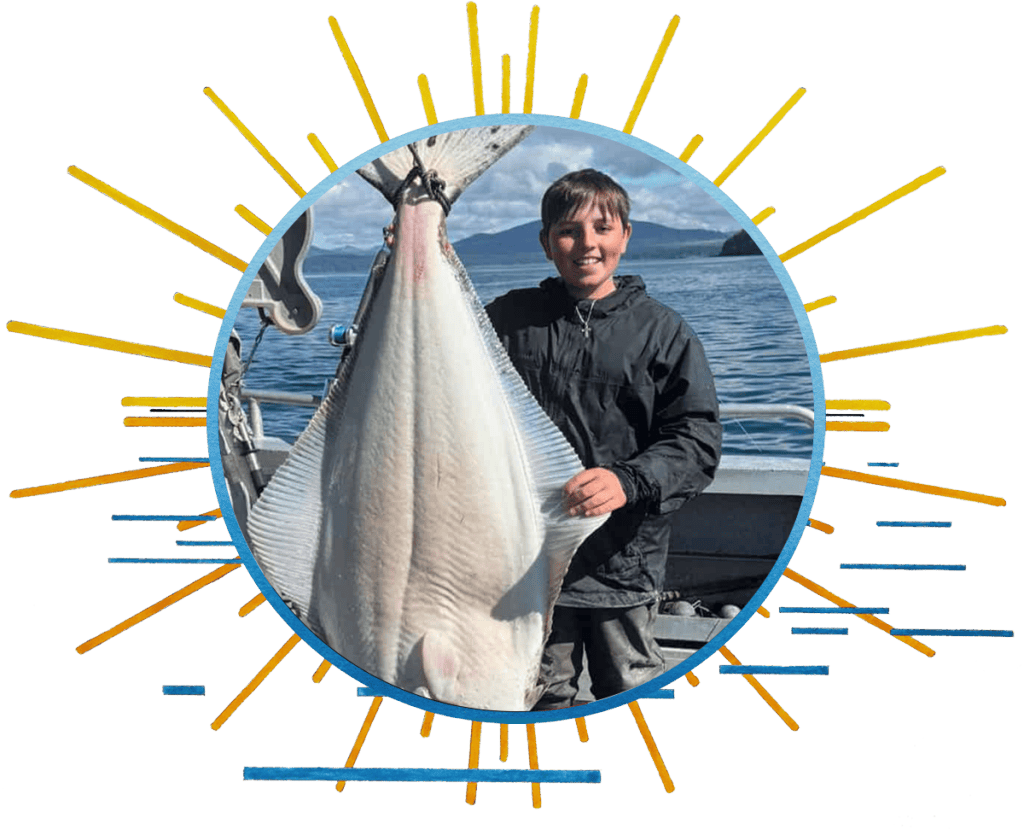
By mid-July, most remaining snow has receded. Temperatures continue in the high 50s through low 70s. Rainfall, when it comes, supports river levels critical to sockeye salmon completing their migration. Some years bring consistent rain, others less so—conditions vary season to season.
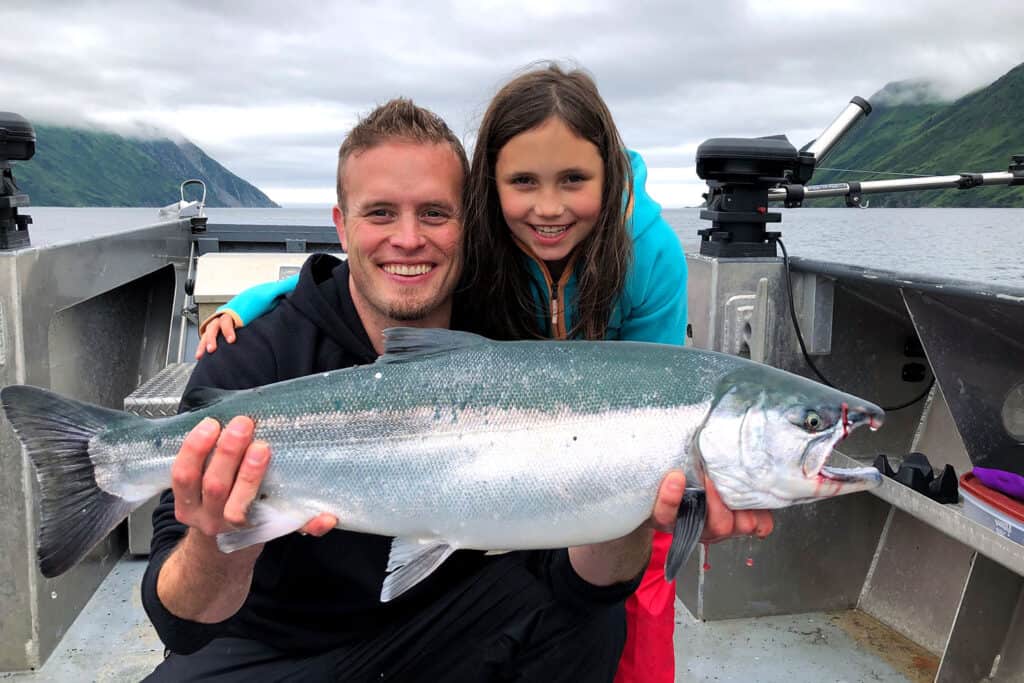
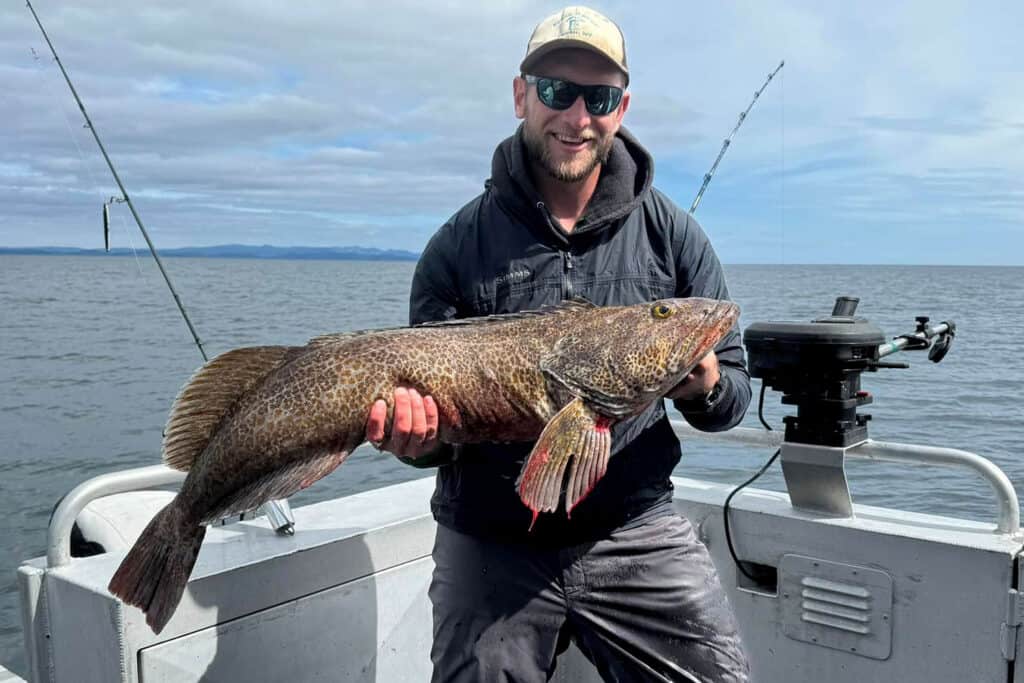
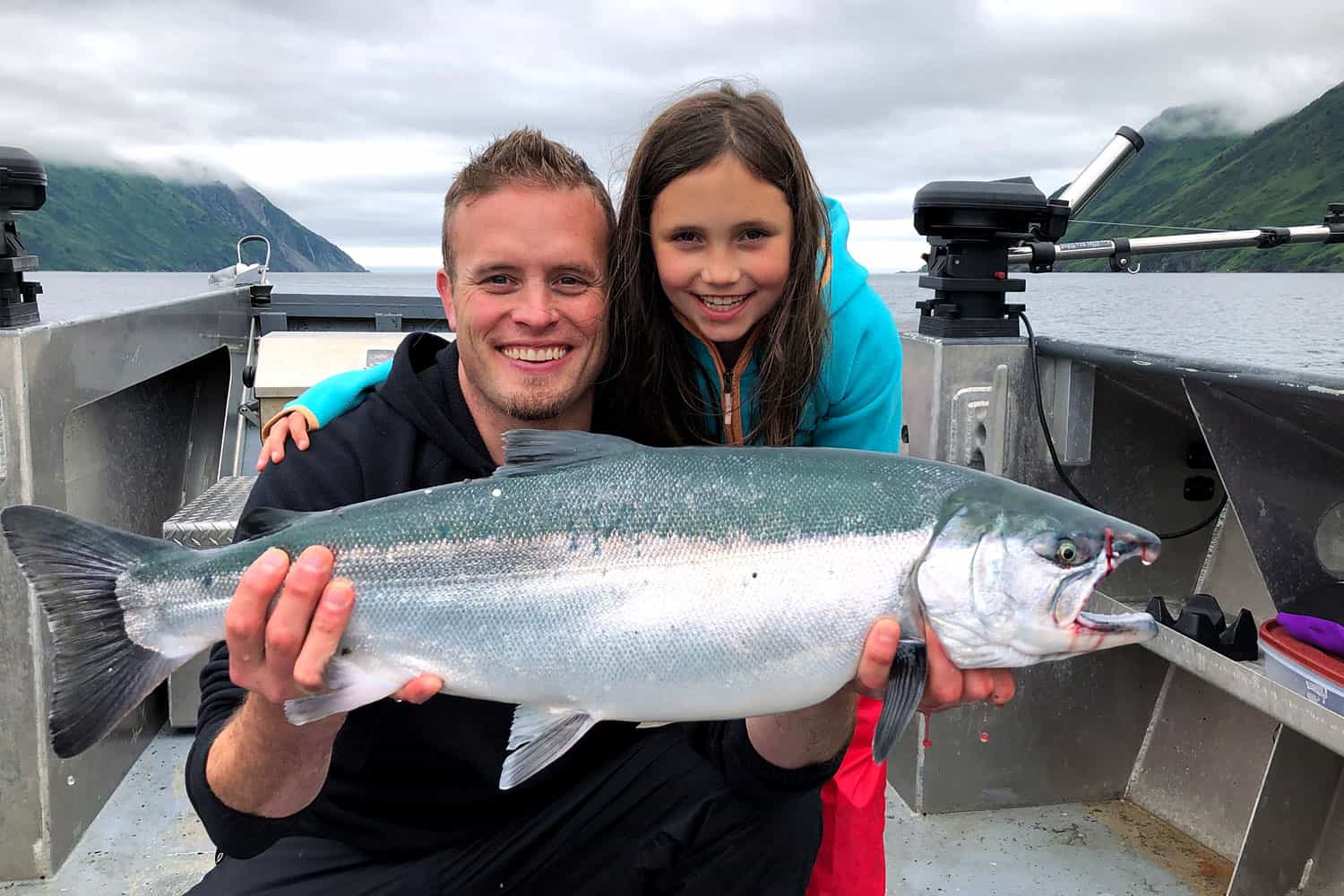
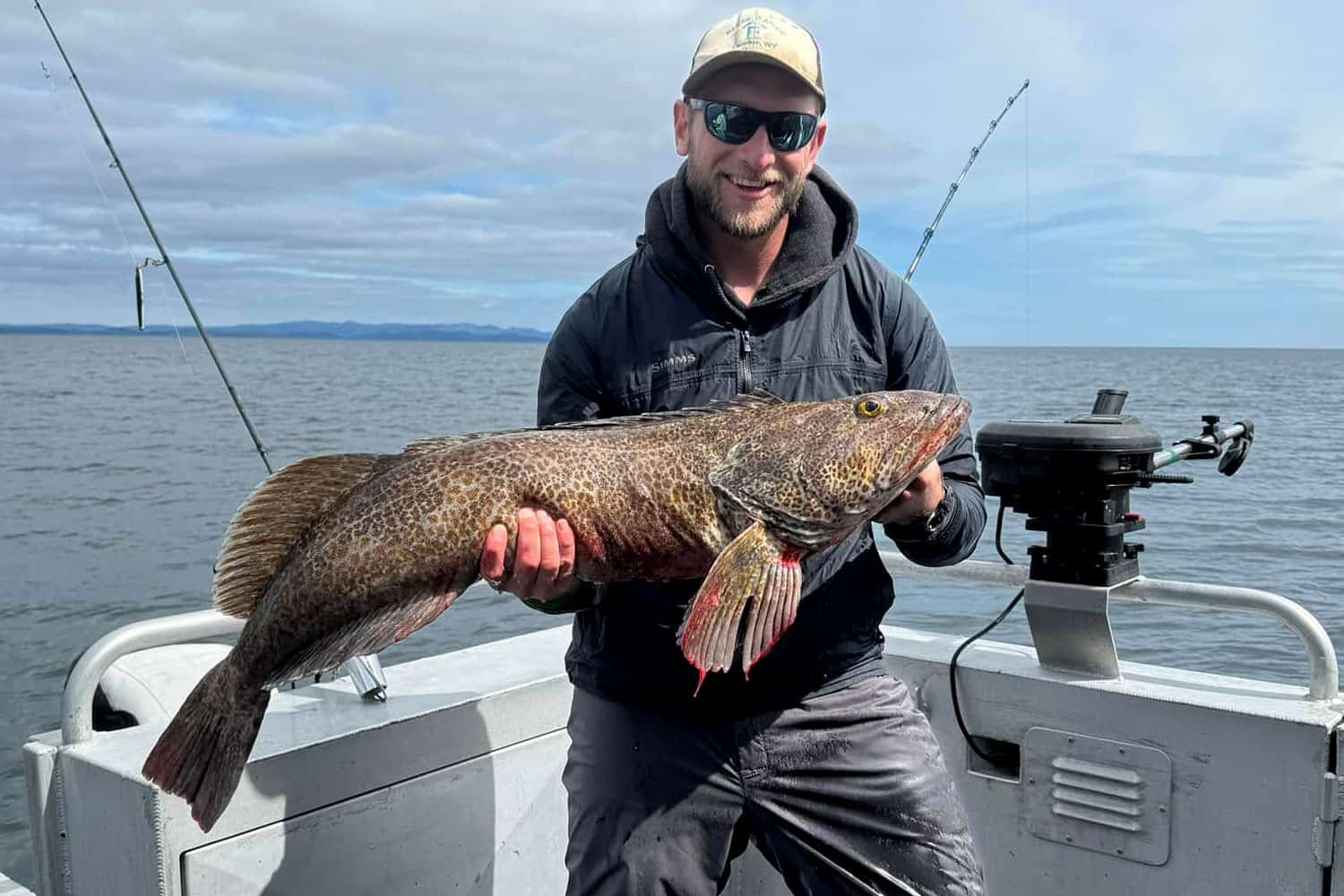
With the sockeye run largely moved upstream, fishing shifts primarily to the ocean. Lingcod season opens July 1, and king salmon trolling remains a strong daily focus. Halibut, rockfish, and Pacific cod provide both steady action and excellent table fare. By late June or early July, silver salmon begin to appear. Captains watch for diving birds that reveal feeding schools below, and when found, the action can be fast-paced, with silvers often mixed alongside kings and even halibut.
Bear viewing remains similar to early summer, with bears continuing to graze on emerging vegetation, often seen feeding in open fields or moving slowly across the flats.
Hiking continues to be rewarding, though vegetation becomes denser. The landscape shifts fully into green, and photographic opportunities expand with the season.
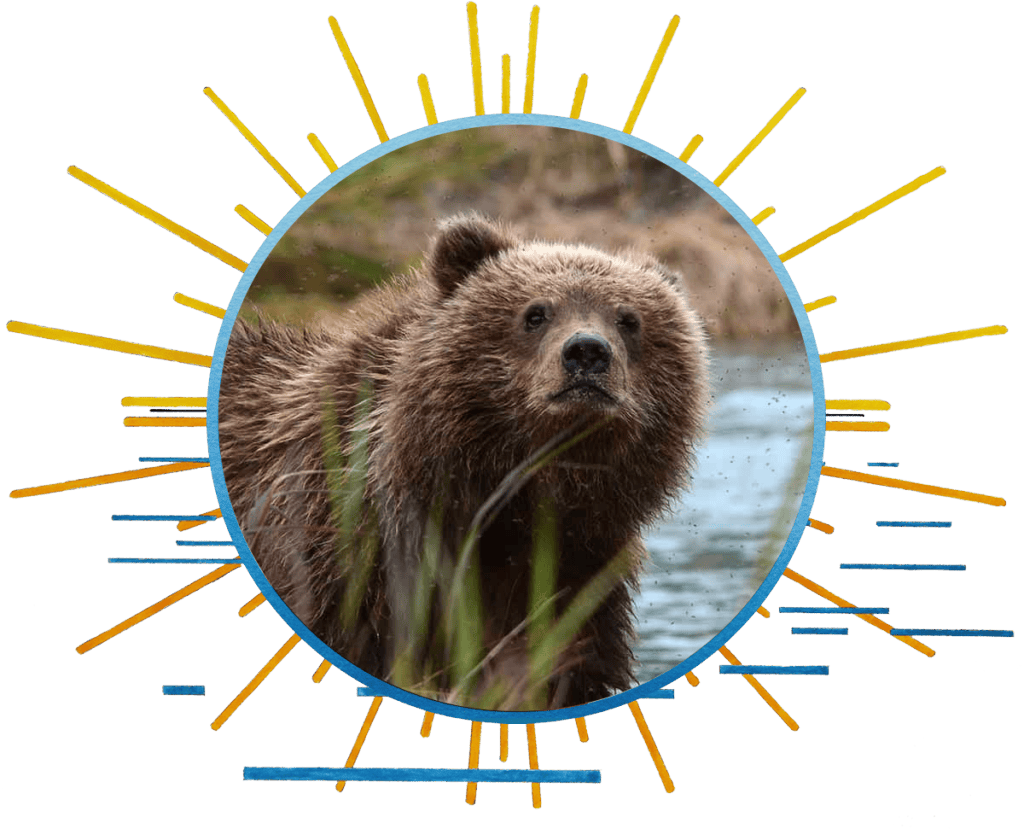
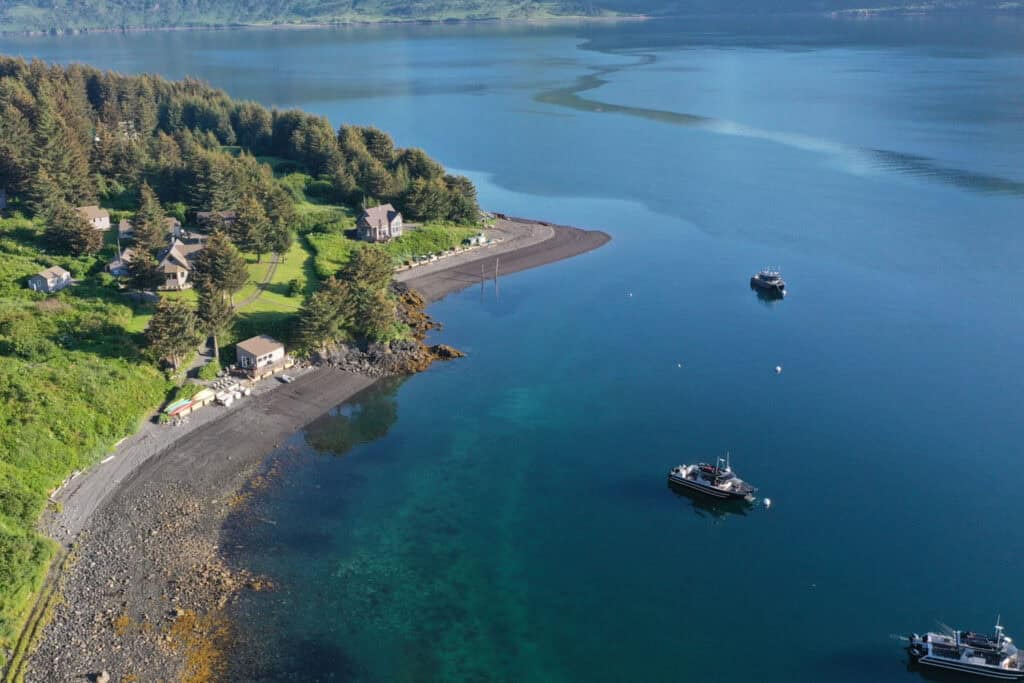
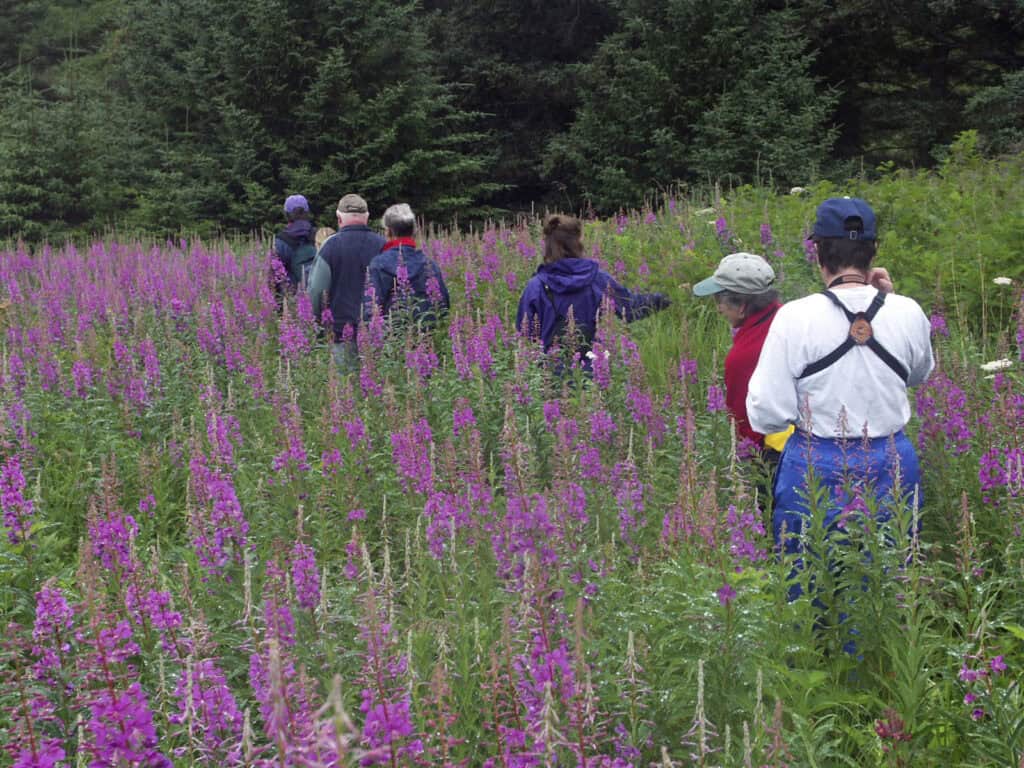
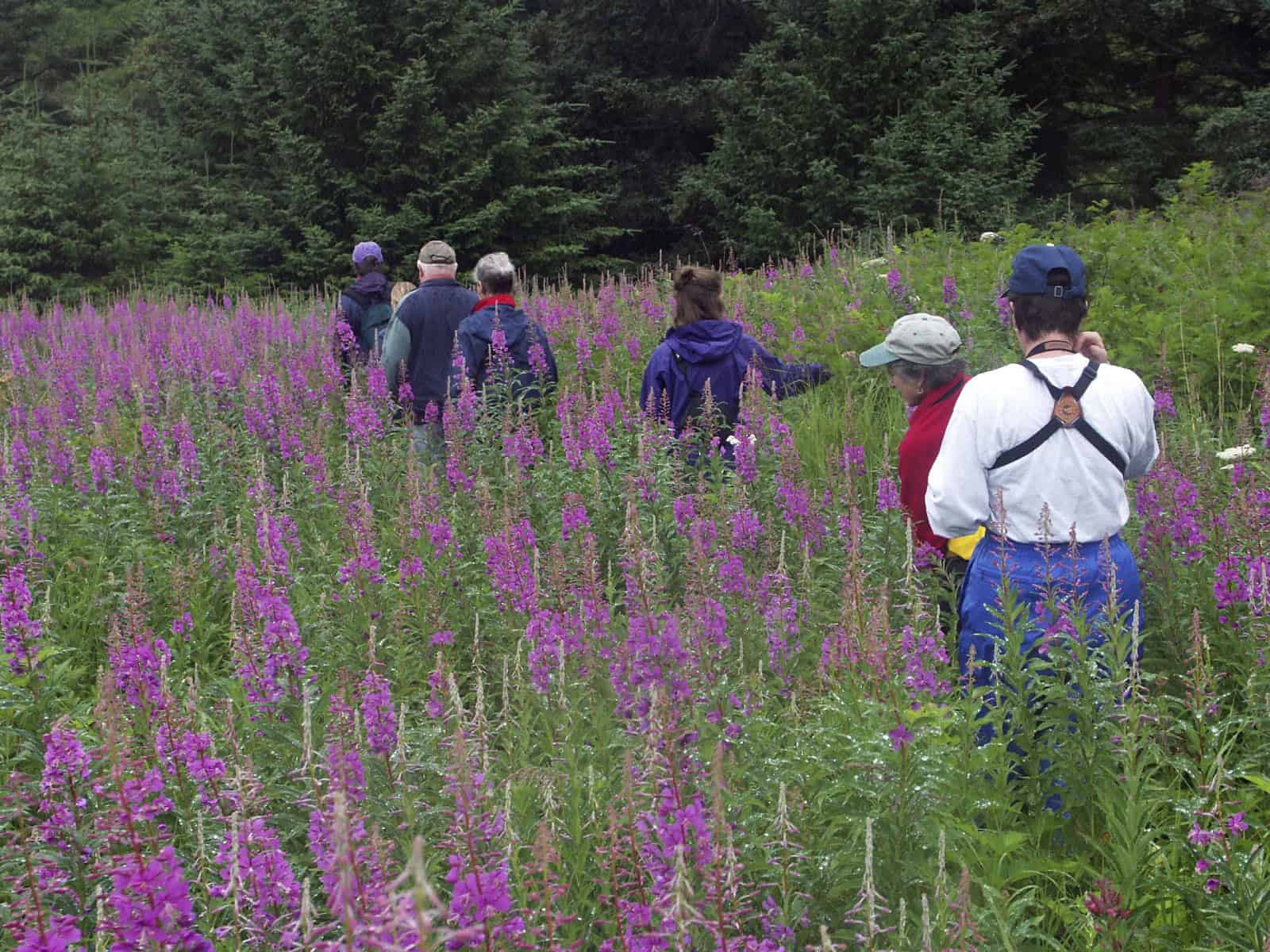
By this point, the Kodiak Archipelago has fully transitioned into its peak summer expression. Raspberry Island lives up to its reputation as the Emerald Isle—lush, vibrant, and active. Vegetation is at full growth, fireweed covers hillsides in pink, and wildlife activity reflects a period of abundance. Temperatures typically range from the high 50s to low 70s.
Fishing is defined by variety. Silver salmon become a primary focus, often located by bird activity and pursued with trolling gear. Halibut, rockfish, Pacific cod, lingcod, and Tanner crab remain consistent contributors to each day on the water. This is a time of both productivity and diversity.
Bear viewing begins to shift toward river systems as salmon returns increase. Bears transition from grazing to actively feeding on fish, building the reserves needed for the coming winter.
Hiking remains excellent, though trails become more enveloped in vegetation. Movement becomes more tactile, with grass and brush parting as you pass through. The landscape is fully green, and the scale of the archipelago is especially apparent from higher vantage points.
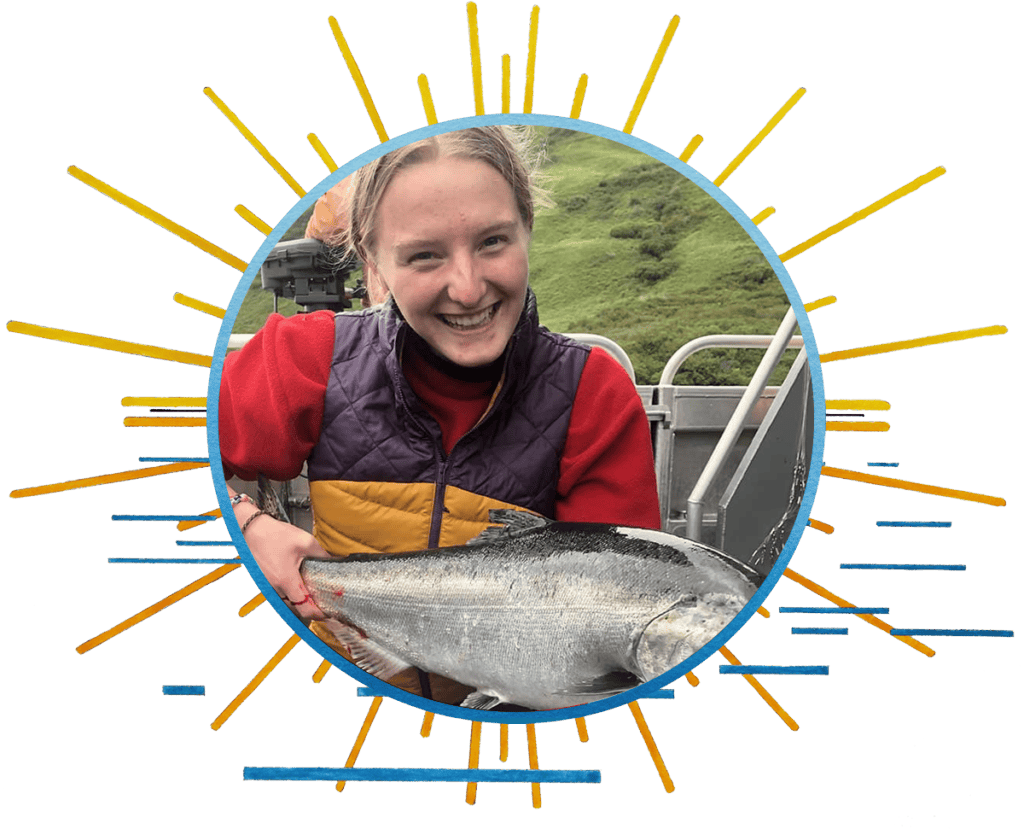
Late summer transitions into early fall—often considered one of Alaska’s most rewarding seasons. Vegetation begins to turn, with hints of yellow and orange appearing across the landscape. Fireweed shifts from pink to deep red. While winter is not yet present, its approach is noticeable in the air and in the behavior of wildlife. Temperatures remain similar, generally ranging from the high 50s to low 70s.
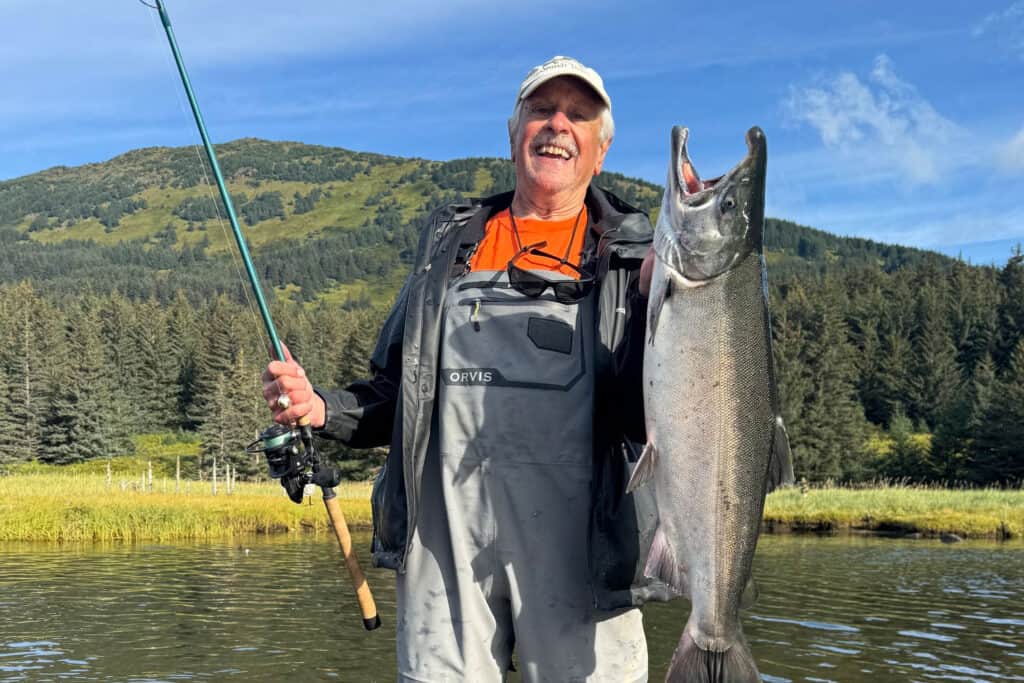
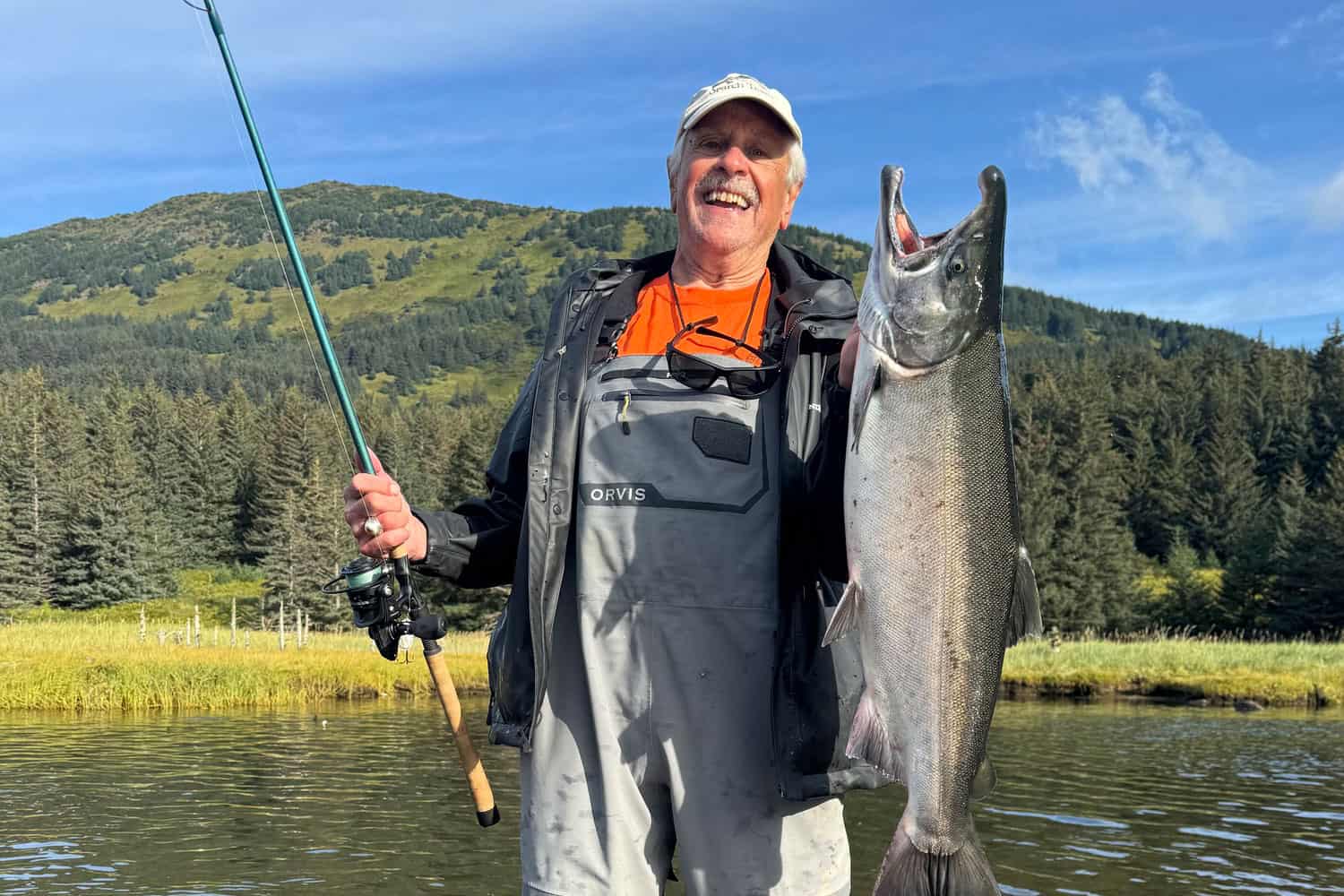
Fishing expands again to include our second freshwater fishery. Silver salmon enter the rivers in strong numbers, aggressively taking flies, spinners, and other presentations. Ocean fishing remains productive, with continued opportunities for halibut, rockfish, Pacific cod, lingcod, Tanner crab, and king salmon. On rare occasions, steelhead are encountered—an unexpected addition to an already dynamic fishery.
Fly-out bear viewing begins to taper and typically concludes in early September, as salmon runs diminish and bears disperse more widely. Bear sightings from boats or along river systems remain possible.
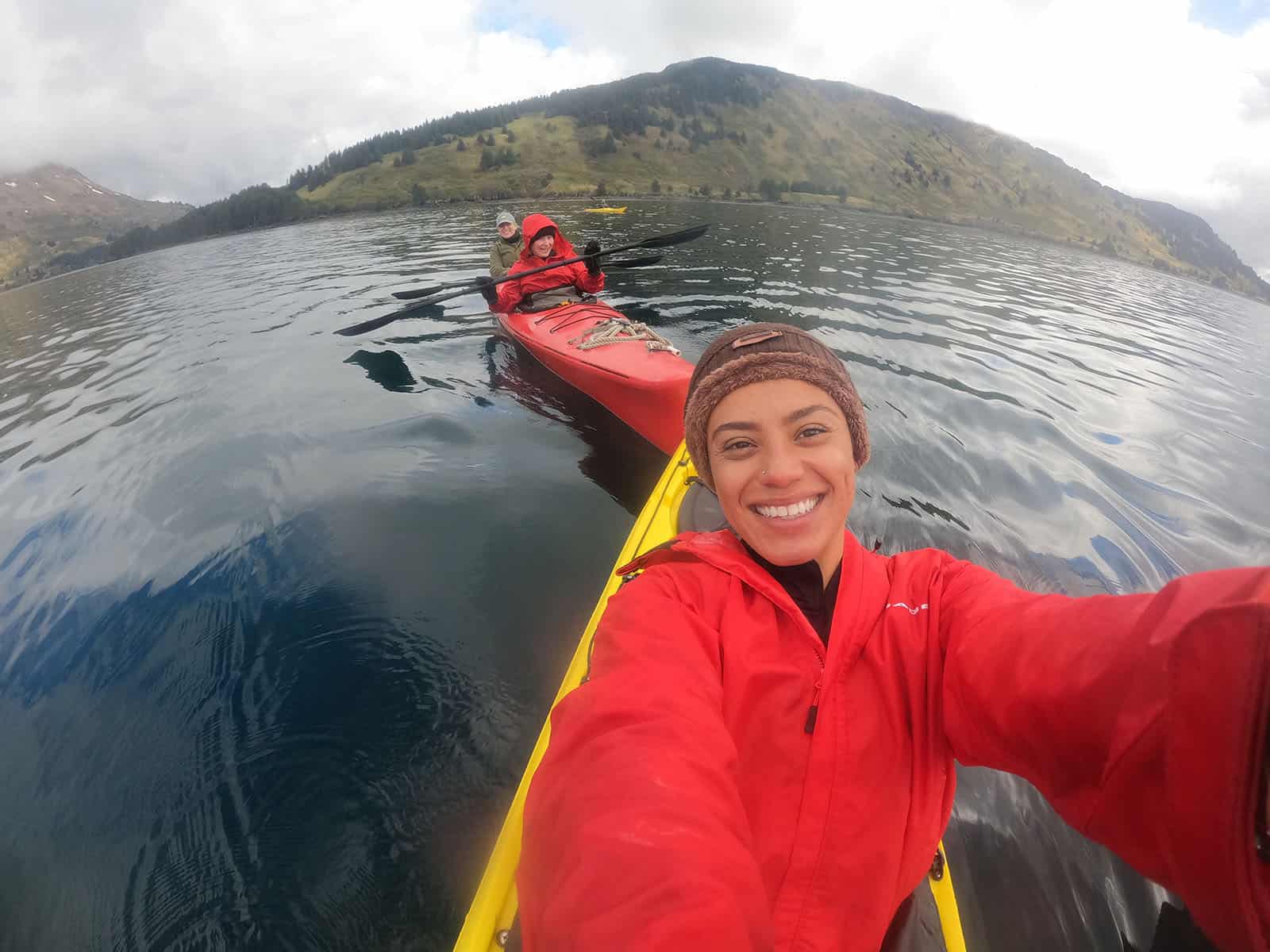
Kayaking and hiking continue but naturally slow as vegetation reaches its seasonal peak and the focus of the experience shifts toward harvest and transition.
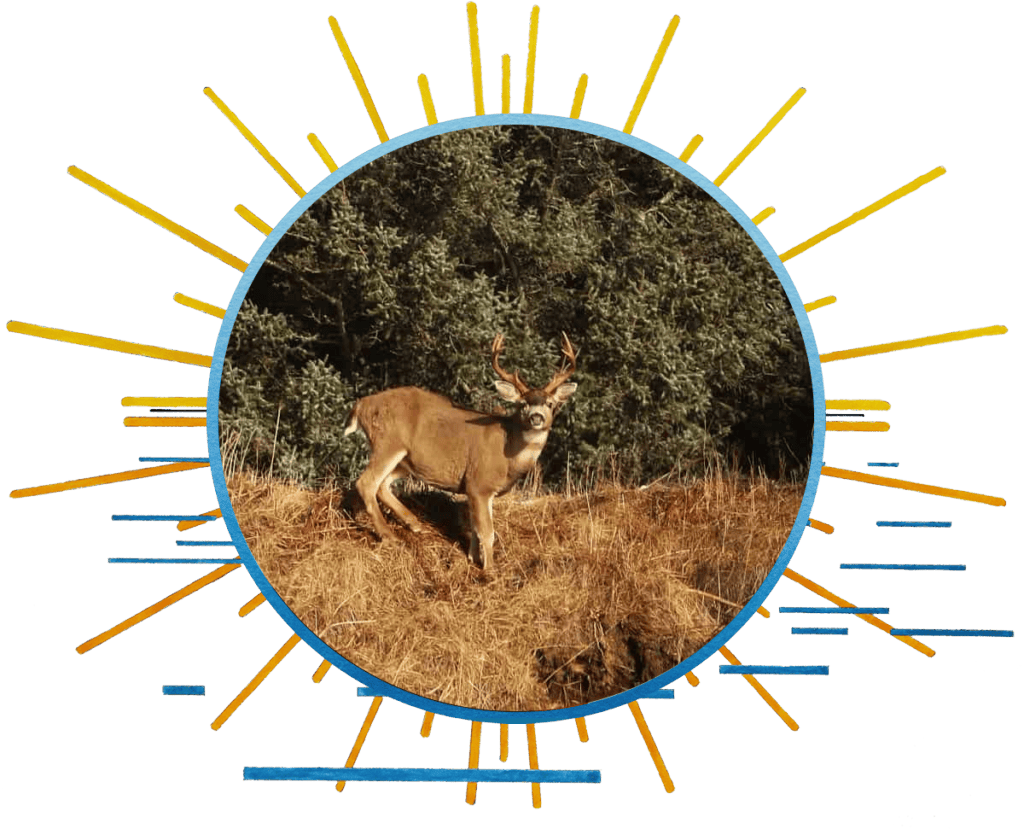
The third week in September is our only Hunt/Fish Combo week, combining remote Kodiak fishing with Sitka black-tailed deer hunting. Weather can still be warm, and grass may be tall and green. Deer are fat, and mature bucks are generally high on the mountains, often above 1,500 feet. They can be hard to reach, as tall grass drapes over narrow, overgrown game trails and thick brush makes glassing or stalking difficult. That said, once you reach the ridges, the grass settles to calf height and you are in deer country, often encountering the first opportunities of the season.
Fishing can be outstanding for halibut, rockfish, Pacific cod, lingcod, and Tanner (snow) crab, along with river fishing for returning silver salmon. However, this time of year can bring the first sustained westerlies, and weather may begin to limit access to some of our preferred saltwater destinations. For that reason, this marks the final week we offer fishing.
If you are willing to put in the work to reach our deer — and willing to accept the possibility of missing a day or two on the open salt — this can be one of the most diverse and dynamic weeks we offer. The reward may include both a freezer of wild-caught Alaskan seafood and the opportunity to harvest a Sitka black-tail at peak table quality.
Plan your Trip
Planning a trip to Kodiak Raspberry Island Remote Lodge involves more than selecting dates—it includes understanding seasonality, weather, activities, travel logistics, and how different parts of the summer evolve.